Medical insurance in Iran covers the entirety or a portion of an individual’s medical expenses. Most residents possess some form of medical insurance, whether provided by an employer, educational institution, or acquired independently. Hawzah students are generally eligible for free medical insurance for themselves and their immediate family members (spouse and children). However, students should consult their respective schools for specific details.
Each insured family member receives an insurance booklet (daftarche bimeh) containing the insured person’s details. This booklet must be presented for all medical examinations as it verifies insurance coverage and is used for writing prescriptions and requests for further tests. Generally, presenting the insurance booklet entitles the holder to subsidised rates for medical visits and tests. It is advisable to ask for a receipt, as additional costs may be recoverable from the insurance company, depending on the coverage.
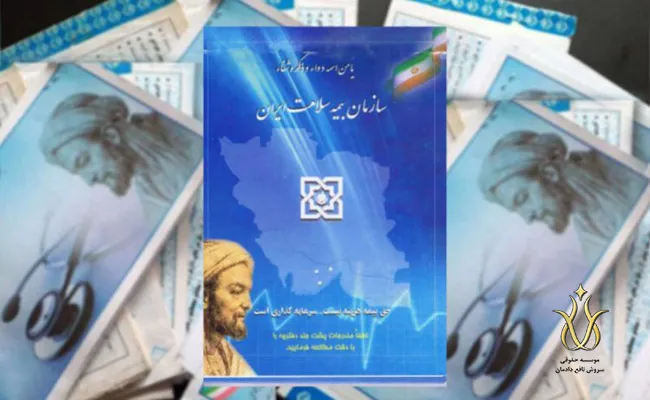
It is important to note that not all clinics and hospitals accept the insurance booklet, so students might need to seek services from another clinic or opt to pay as private patients. Medical insurance usually requires annual renewal.
Types of Medical Insurance Coverage
Medical insurance in Iran is divided into two categories: basic and supplementary. Basic insurance covers essential medical services, including general practitioner visits, emergency care, and certain hospital treatments. Supplementary insurance provides broader coverage, encompassing specialist consultations, advanced diagnostic tests, dental care, and surgery.
Basic insurance is typically applied at the point of receiving medical treatment. When a person visits a clinic or hospital, the cashier will inquire about insurance coverage and request the insurance booklet to apply the discount. Those with supplementary insurance can also make a claim to recoup cost incurred beyond the basic insurance discount. This process involves making a claim directly with the insurance company by filling out the necessary forms and providing documentation such as receipts detailing the services provided and their costs, medical reports, and prescriptions. Once the claim is submitted and approved, the insurer will issue a reimbursement.
Comments & Suggestions
Have something useful to add? Share your experience, recommendations or updates with other students in Qum. This could be a change to the information above, a useful tip, a service or place you recommend, or anything else that may help others. Comments are reviewed before they are published. Please see our comment policy for what can be published and how to request the removal of a contribution.
Loading contributions…