Iran, the 18th largest country in the world, is located in south-western Asia and shares borders with seven other countries: Azerbaijan, Armenia and Turkey in the north-west, Iraq in the west, Turkmenistan in the north-east, Afghanistan in the east and Pakistan in the south-east. To the south of the country lies the Persian Gulf, which separates it from its Arab neighbours including Saudi Arabia, the UAE and Qatar.
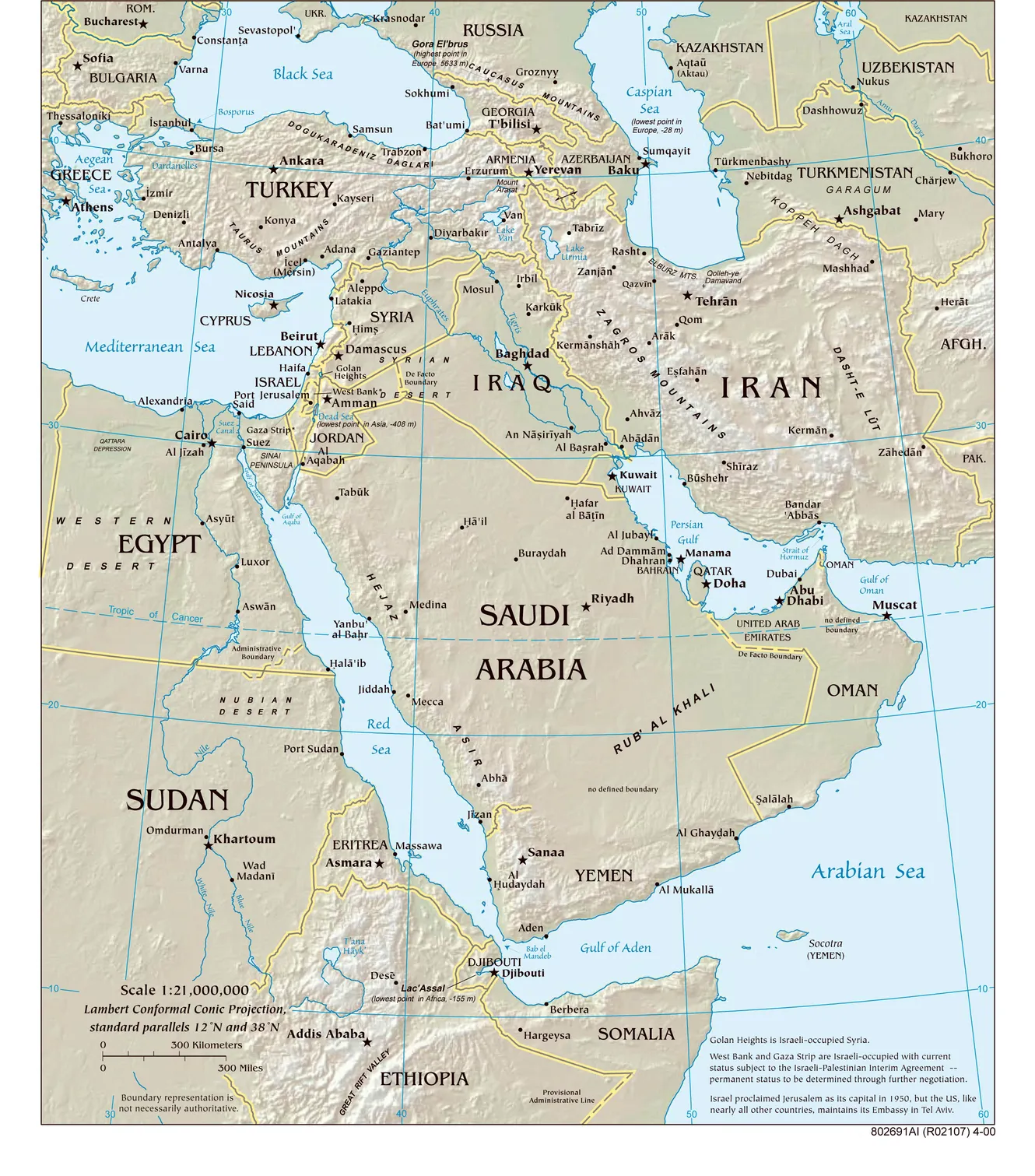
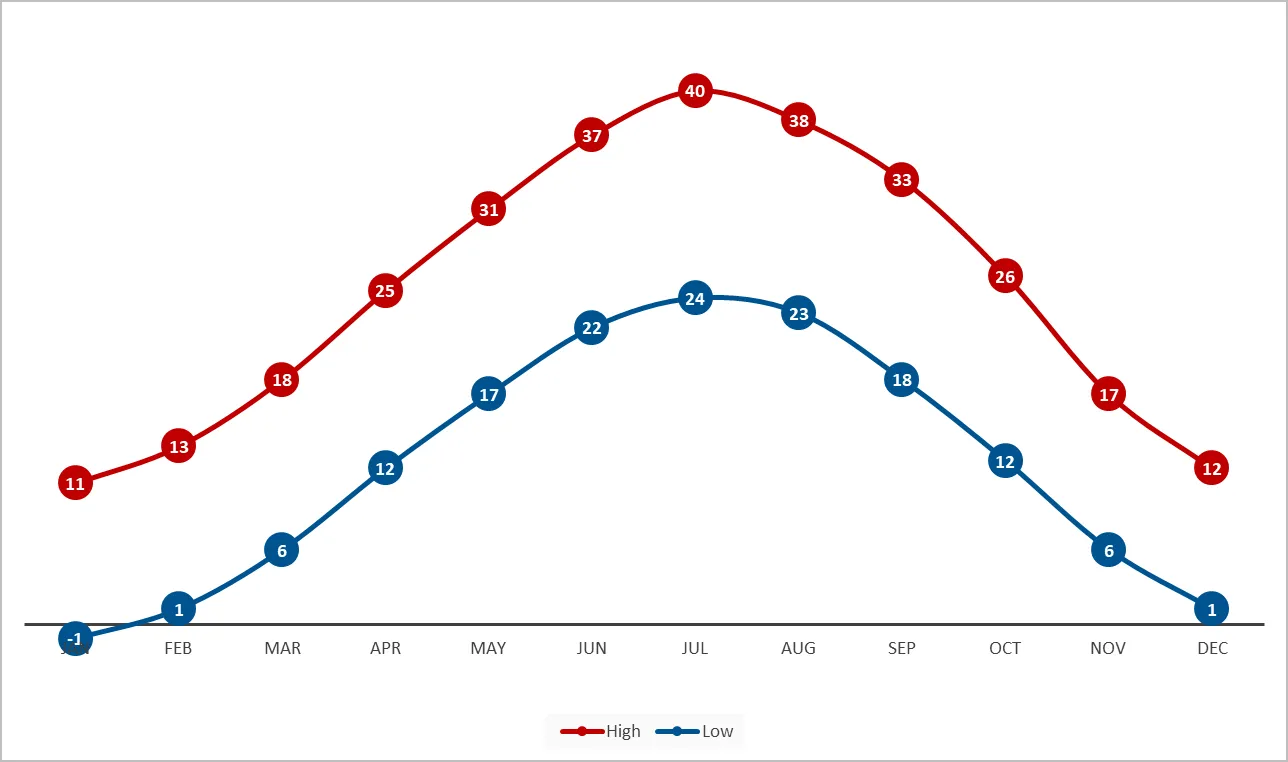
Located 140 km south of the capital Tehran is the holy city of Qum (commonly also spelled as Qom), the seventh largest city in Iran and the capital of Qum province with an area of 11,000 km². Qum is in a dry, arid region and comprises of mountainous areas, foothills, and plains. Due to its location, Qum experiences a dry, desert climate with low humidity and little rainfall. The summers can reach very high temperatures (40–45° Celsius) and the winter temperature can fall below 0° Celsius. Detailed month-by-month climate and weather information can be found here.
Comments & Suggestions
Have something useful to add? Share your experience, recommendations or updates with other students in Qum. This could be a change to the information above, a useful tip, a service or place you recommend, or anything else that may help others. Comments are reviewed before they are published. Please see our comment policy for what can be published and how to request the removal of a contribution.
Loading contributions…