Iranian cuisine is a combination of ancient traditions and modern influences that reflects the country’s diverse cultural heritage and geography. It is characterized by the use of fragrant spices, fresh herbs, fruits and vegetables, and a variety of meats, including lamb, beef, and chicken.
Popular Dishes
Kebabs
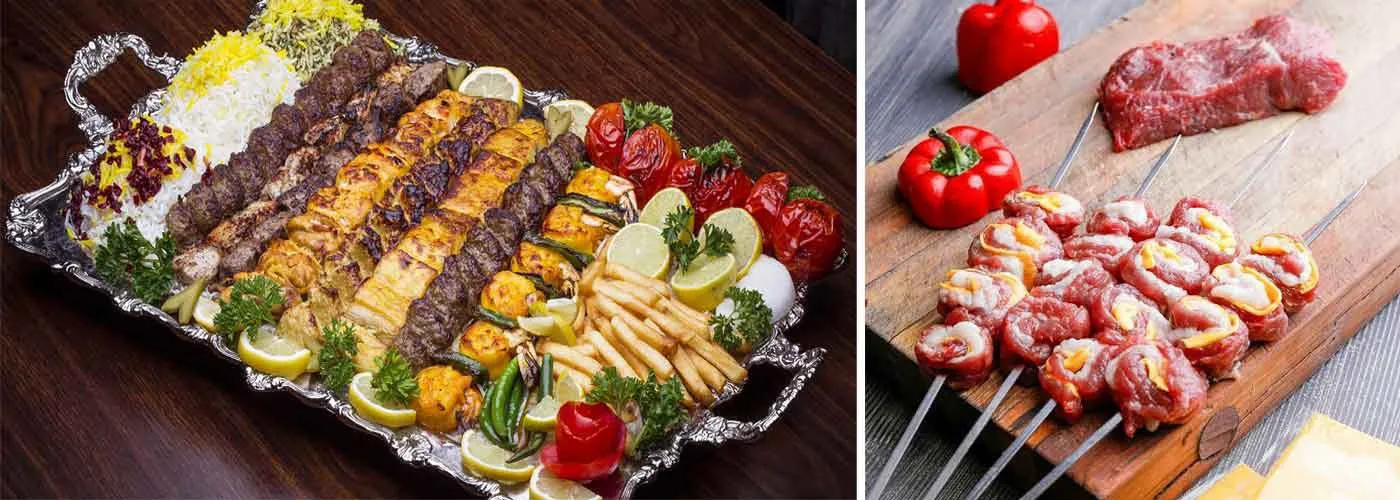
Kebabs are a favourite across Iran. They come in many forms and can be made with a variety of meats, including lamb, chicken and beef. They are usually marinated in a mixture of spices, yogurt, and lemon juice, and then grilled over an open flame. Kebabs, along with stews and other dishes, are commonly served with rice, one of the most important staples in Iranian cuisine. They are known for their delicate flavours and textures, and are often seasoned with saffron, cinnamon, and other spices. The two most popular kebabs are Kebab Koobideh made from ground meat, and Joojeh Kebab made from chicken.
Stews
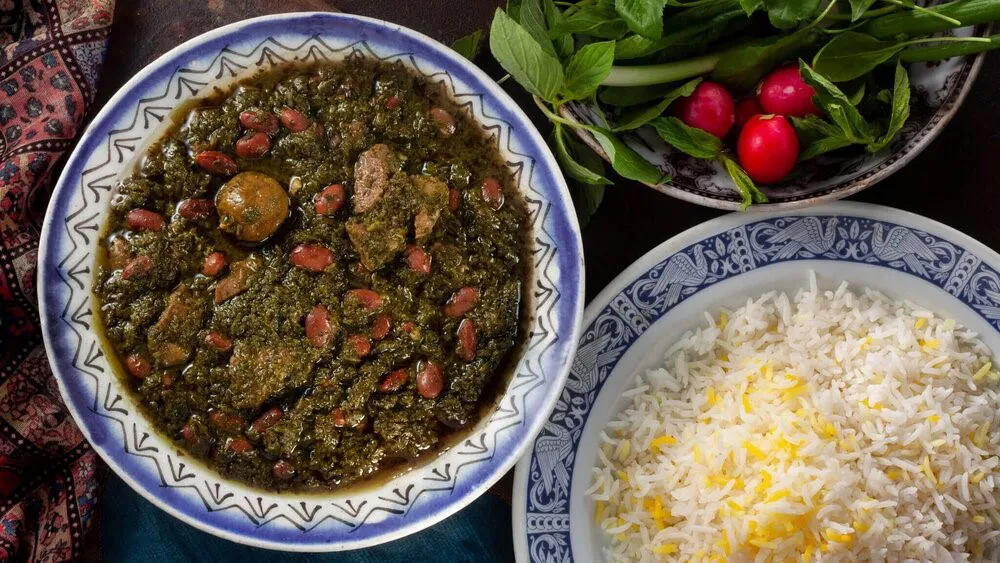
Iranian stews, known as khoresht, are another important component of the national cuisine. These curry-like dishes are typically made with meat, vegetables, lentils and herbs. Some popular khoresht dishes include Qaymeh, a lamb and split pea stew with tomatoes, onion, and dried lime, garnished with golden, thinly sliced crispy potatoes. Fesenjan is a rich stew made with chicken or duck, pomegranate paste, and walnuts. Another Iranian favourite, Qorma Sabzi, is made from a mixture of aromatic herbs and vegetables such as parsley, coriander, leeks and spinach cooked with red beans, dried limes and lamb.
Soups
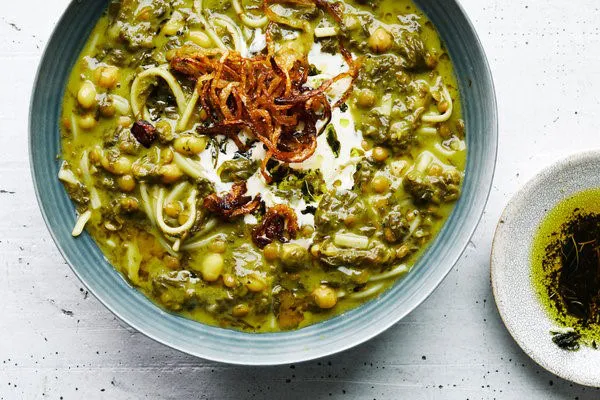
Iranian soups, like Aash, are thick, hearty dishes often packed with legumes, herbs, and sometimes meat. Popular varieties include Aash Reshteh, a thick noodle soup with beans and greens and Aash Jo, a barley soup.
Vegetarian Dishes
Despite the richness and diversity of Iranian cuisine, there is limited availability of vegetarian options, especially at restaurants. Traditional Iranian meals heavily feature meat, particularly lamb, chicken, and beef, which are central to many iconic dishes.
While Iranian cuisine does include a variety of vegetable dishes, they are often not vegetarian. For instance, many stews and soups contain small pieces of meat and even dishes that appear to be totally vegetable-based may use animal broths in their preparation.
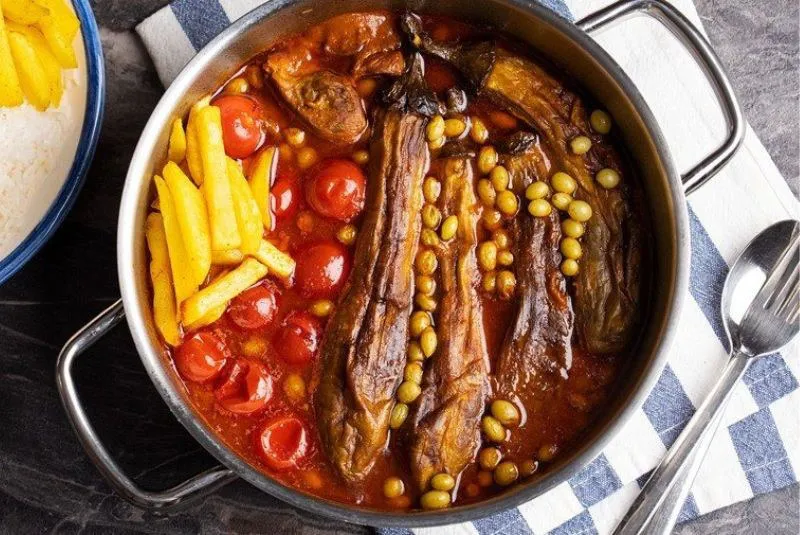
This being said, vegetarian dishes do exist within Iranian cuisine. For instance, Khoresht Bademjan, is a flavourful eggplant stew that can be enjoyed with or without rice. The eggplant is simmered in a tomato-based sauce with onions, spices, and sometimes other vegetables like potatoes or green beans. This is a vegetarian adaptation of the original dish which is made with beef.
Adas Polo is a rice-based dish combining the goodness of lentils with the sweetness of raisins and fragrant spices like turmeric and cumin. Another common vegetarian dish is Kuku Sabzi, an omelette that is made with fresh herbs and spices and is typically served with bread and yogurt.
Appetisers & Desserts
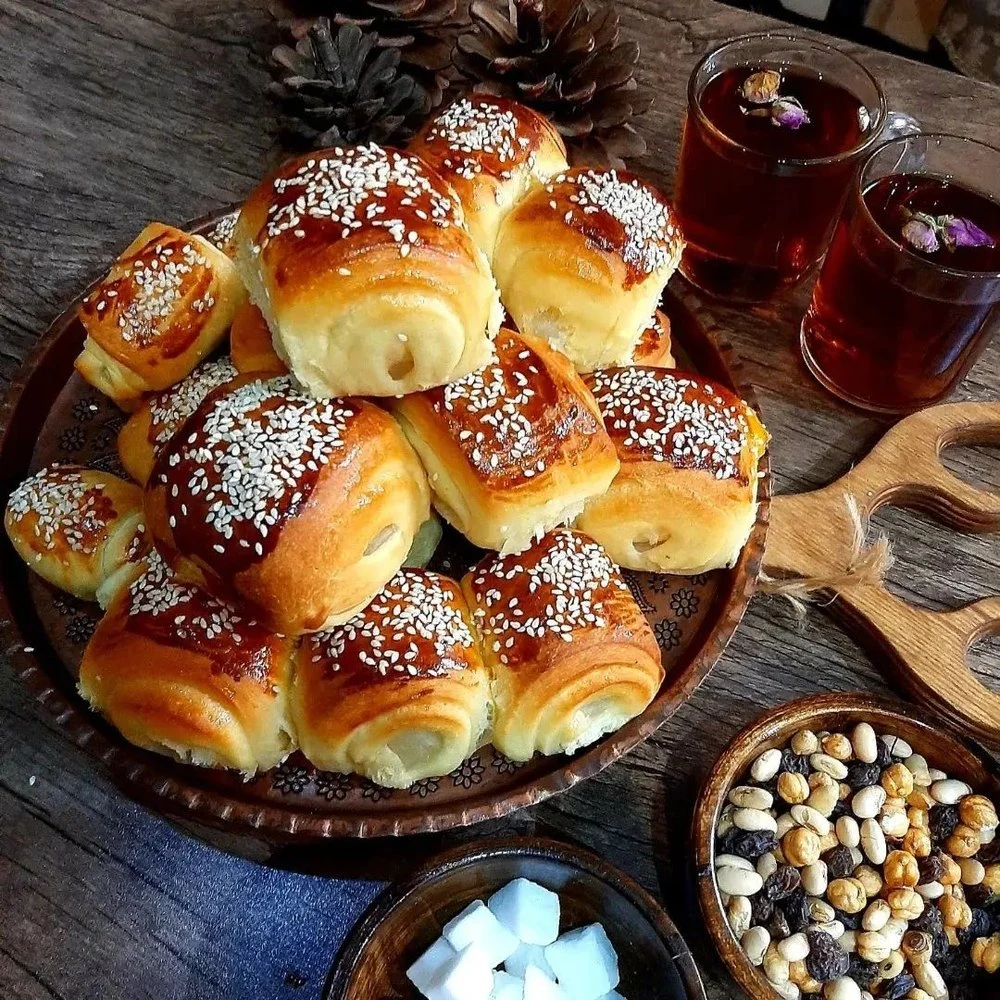
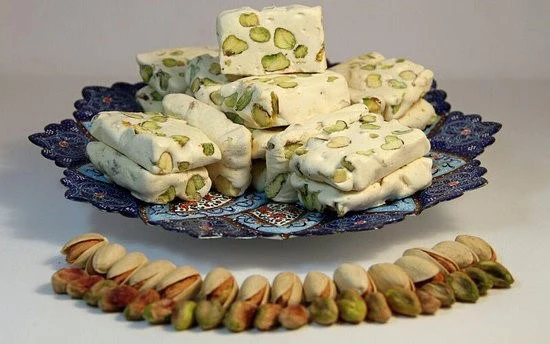
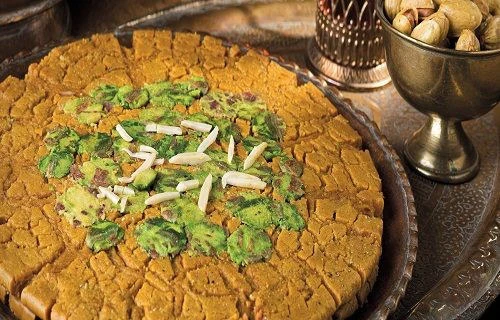
In addition to these main dishes, Iranian cuisine also includes a variety of side dishes, appetisers, and desserts. Some popular appetisers include Borani, a yogurt and herb dip, and Kashk Bademjan, a creamy dip made by blending roasted eggplant with garlic, onions, and whey and subsequently topped up with caramelized onions and mint. Desserts include different types of pastries, cakes, sweets and cookies, such as Sohan, a traditional saffron brittle toffee, Gaz, Iranian nougat that originated in Isfahan, Noon Khamei, the Iranian cream puff, and many others.
Traditional Breads
Bread, known as naan or noon in Farsi, is one of the most important staple foods in Iran. Iranian bread-making traditions are unique and distinctive, featuring four primary types of flatbreads: Sangak, Barbari, Lavash & Taftoon.
Sangak
This traditional stone-baked bread, typically 70-80cm long and either triangular or rectangular, is named for the pebbles (sangak) used in its baking process. Made from whole wheat flour, the dough is baked in a dome-shaped oven over a bed of hot pebbles, giving it a distinctive texture and appearance. Some bakeries enhance the bread by sprinkling toppings such as sesame seeds, poppy seeds, or dried herbs.
Barbari
Known for its thick, fluffy interior and crispy crust, Barbari originates from the Barbar region in northeastern Iran, near Afghanistan. This bread is formed into a long oval shape and dusted with roomal, a flour glaze that gives it a delicate, airy interior and a beautiful golden crust. Poppy, nigella, or sesame seeds are frequently added before baking in traditional tandoor ovens or, as is more common nowadays, in modern rotating conveyor belt ovens. Each Barbari bread is approximately 70cm long and 25cm wide.
Lavash
A soft, thin, and pliable flatbread, Lavash is widely used as a wrap for kebabs, cheese and other fillings, making it ideal for sandwiches. Lavash bakes quickly in a hot oven due to its thinness but also dries out quickly and becomes brittle and hard if not consumed when fresh.
Taftoon
Similar to lavash but slightly thicker, Taftoon is a round, soft flatbread made from white or whole wheat flour, milk, yoghurt, and eggs and is baked in a clay oven resulting in a unique texture and flavour.
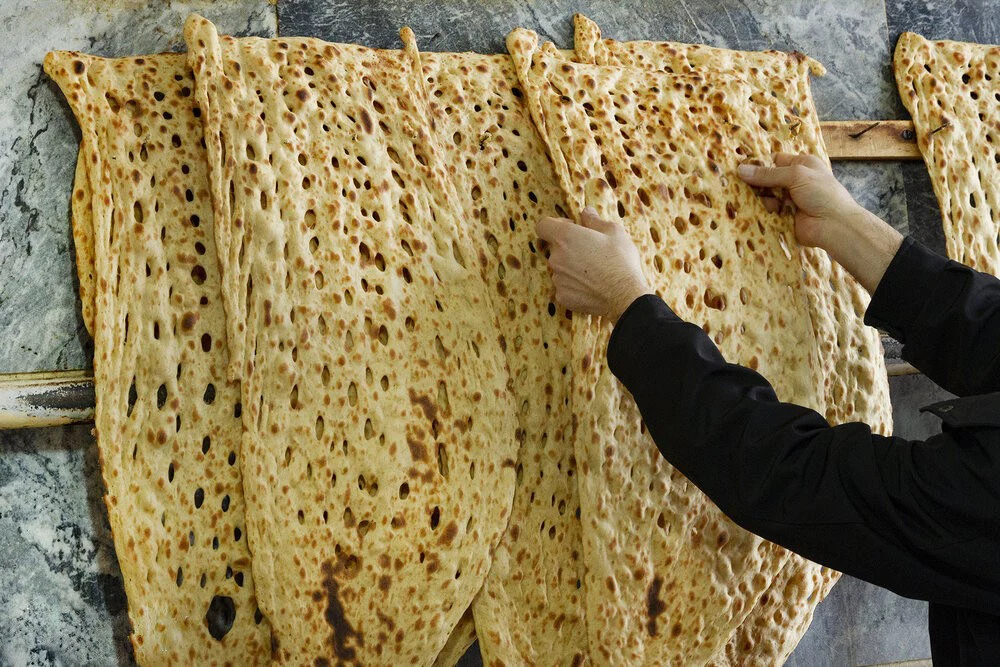
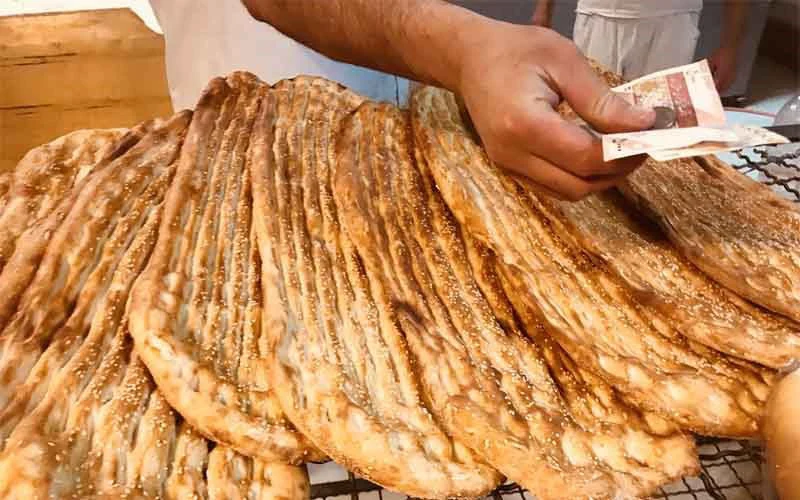
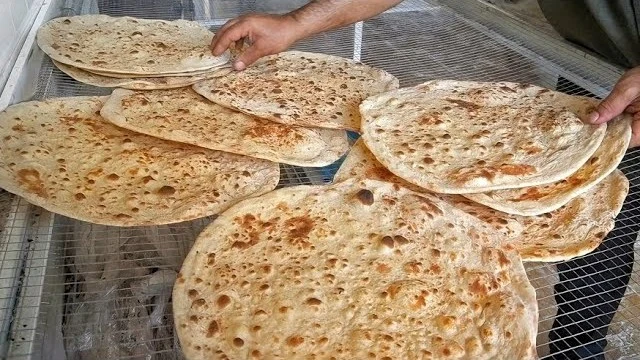
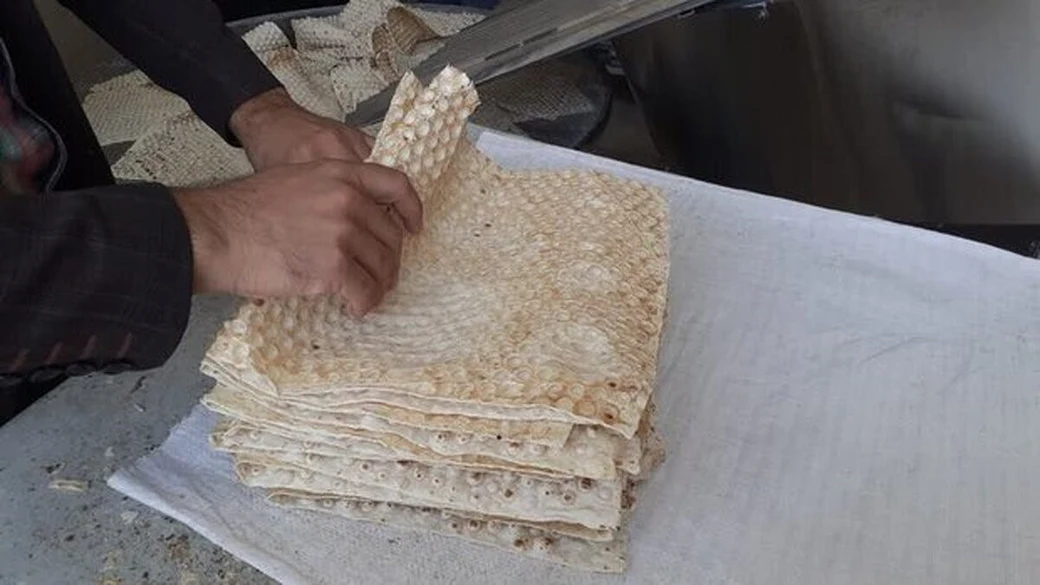
Bakeries, known locally as nanvaii or nanva, are often busy, so customers should be aware of their schedules and operational structures. There are numerous bakeries scattered throughout the city, and a person can usually find one within a short walking distance from their home.
Each bakery typically specialises in only one type of bread and operates during specific hours: early morning, midday, and early evening, ensuring fresh bread is available throughout the day. It is common to see queues outside popular bakeries, especially during peak hours, and it can sometimes take half an hour or more before one’s turn arrives.
There are normally three queues at the sangak and barbari bakeries: two for men and one for women. One of the men’s queues is for purchasing a single bread, while the other is for purchasing greater quantities. Consequently, a person may receive their bread before someone who has been queuing for longer.
Customers should also be aware that cash payments are no longer accepted at bakeries, and there are quantity limits imposed on each person. The prices of bread are remarkably affordable due to government subsidies on flour: Sangak and Barbari cost approximately $0.05, Taftoon around $0.02, and Lavash less than $0.01 per bread. This system ensures that bread remains accessible and affordable for everyone.
Drinks and Beverages
Iranian cuisine also features a variety of drinks and beverages either to accompany meals or be enjoyed as standalone refreshments.
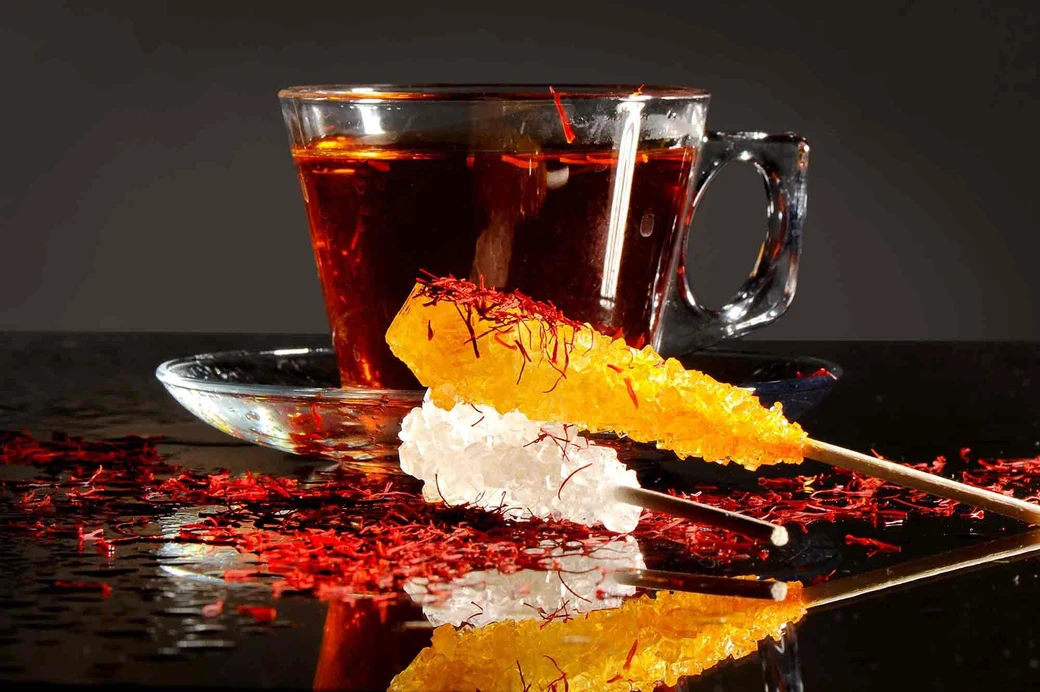
Tea (Chai) is by far the most popular and most consumed hot beverage in Iran. Dating back to the Qajar period, Iranian tea is served black, lightly brewed with a variety of spices, and served in small cups often with sugar, rock candy or dates. A distinctive habit among Iranians is drinking tea while gently holding a sugar cube in their mouth, allowing the sweetness to gradually dissolve as they sip - an art which many foreigners find fascinating.
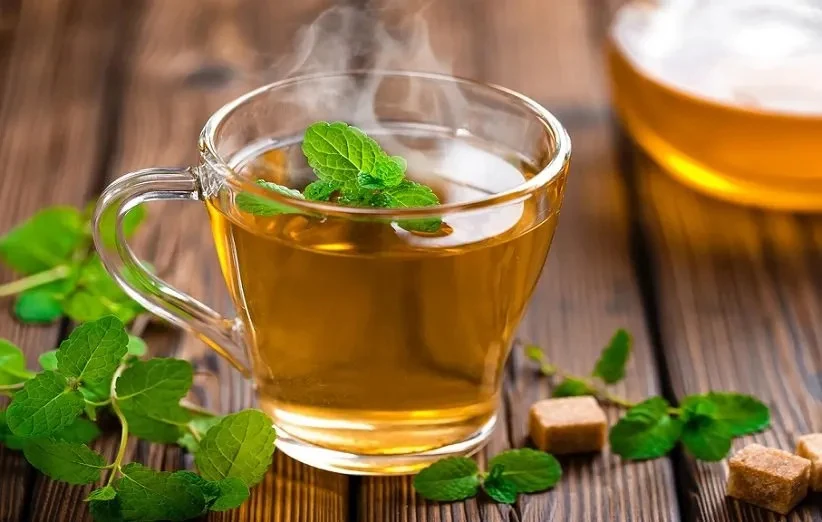
As an alternative, many Iranians will drink Damnoosh, herbal tea, for it’s health benefits and claims of relieving issues such as headaches, insomnia, the common cold and even stress. Many varieties are available, the most popular perhaps being Panirak (mallow), Gol Gav Zaban (echium), Babooneh (chamomile), Avishan (thyme), Behlimoo (lemon beebrush), and Ustukhudus (lavender).
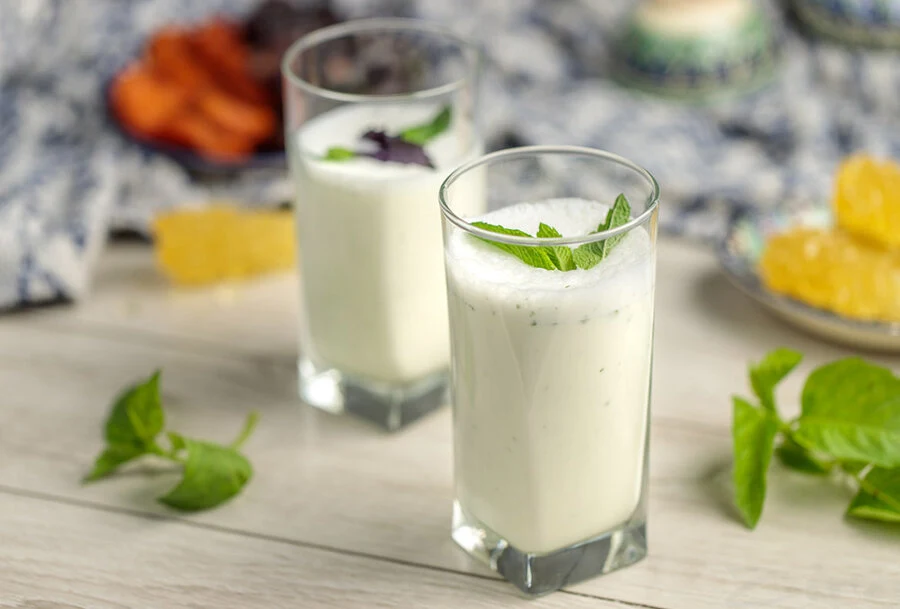
Among the cold drinks, there are many favourites, including Doogh, a traditional yoghurt-based drink, often flavoured with mint and regularly consumed during the hot, summer months. Carbonated versions are also available.
Fresh juices are another favourite in Qum and around Iran in general. There is a plethora of juice bars in Qum serving a wide variety of freshly squeezed juices including: carrot, apple, orange, pomegranate, cantaloupe, honeydew melon, watermelon and many others. Customers can also request a combination of several juices or try the various milkshakes which are served at these juice bars as well.
Sharbat — a general term used to refer to a wide range of sweet drinks prepared from fruits, flowers or herbs — are also very popular during the summer.
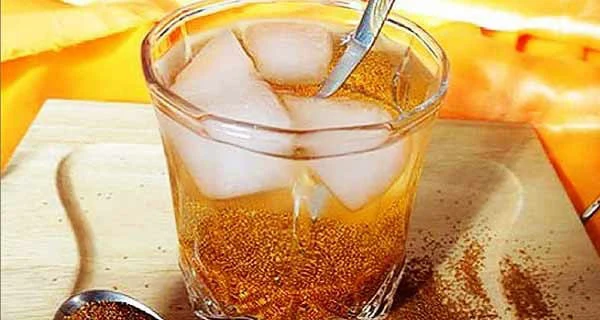
Two such distinctly Iranian drinks are Sharbat-e Khakshir and Tokhm Sharbati. Sharbat-e Khakshir is made from flixweed seeds mixed with water, rose water and ice, and often sweetened with sugar or honey. It is known for its thirst quenching and cooling properties and the flixweed seeds themselves have been reported to regulate blood glucose levels, improving liver and digestive system functions.
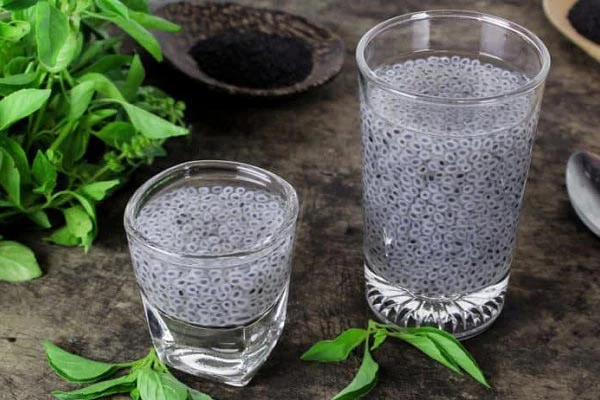
Tokhm Sharbati, another rehydrating and refreshing drink, can be made by adding basil seeds to any sweet, flavoured syrup with water. Like flixweed seeds, basil seeds have numerous health benefits and are packed with vitamins and minerals.
Comments & Suggestions
Have something useful to add? Share your experience, recommendations or updates with other students in Qum. This could be a change to the information above, a useful tip, a service or place you recommend, or anything else that may help others. Comments are reviewed before they are published. Please see our comment policy for what can be published and how to request the removal of a contribution.
Loading contributions…