Iran is a large, beautiful country with an enormous wealth of history, culture and architecture in addition to a diverse range of appealing activities and natural attractions for all ages to enjoy. Students can easily make use of some of their free time during holidays or long weekends to explore the country and benefit from the rich heritage Iran has to offer.
Mashhad
Shrine of Imam al-Ridha (a)
Located in the northeast of Iran, Mashhad is home to the magnificent shrine of Imam al-Ridha (a). As one of the most important religious cities for Shias, it attracts a vast number of visitors throughout the year. The primary reason to visit Mashhad is to perform the ziyarah of Imam al-Ridha (a) and connect spiritually through supplications and prayers. The shrine is a place of profound sanctity, where numerous miraculous events have been recounted over the centuries.
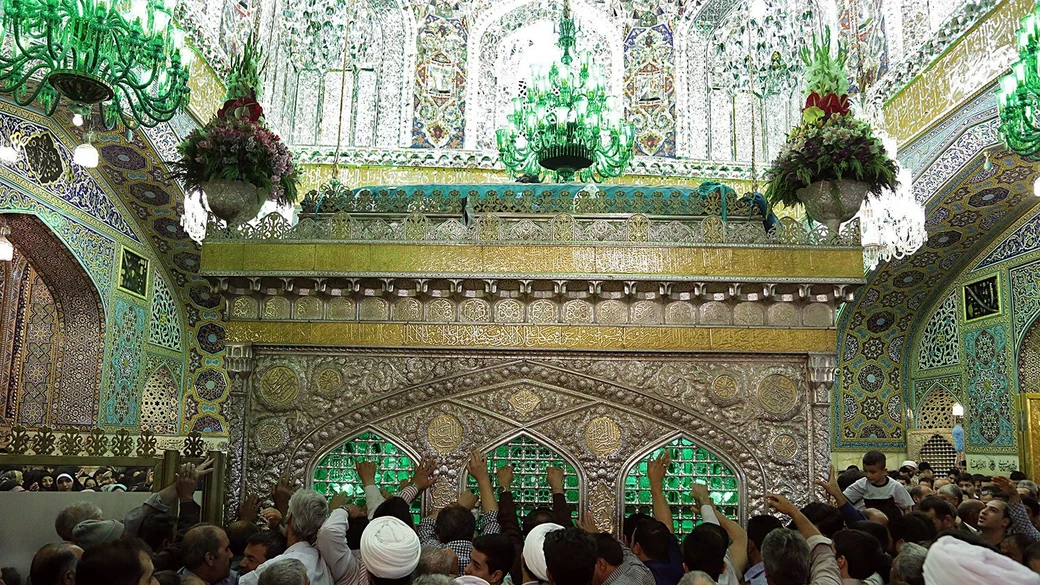
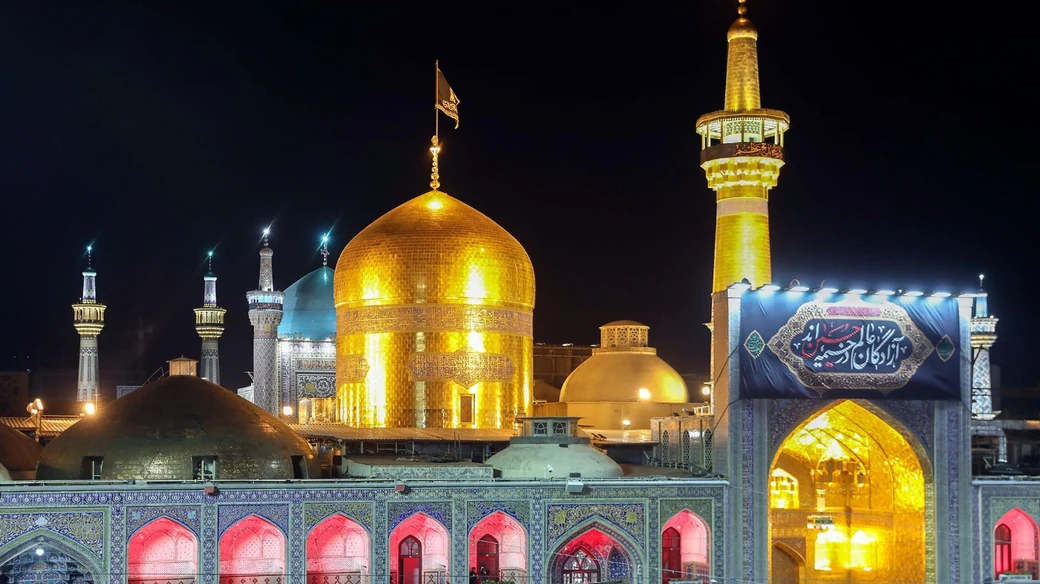
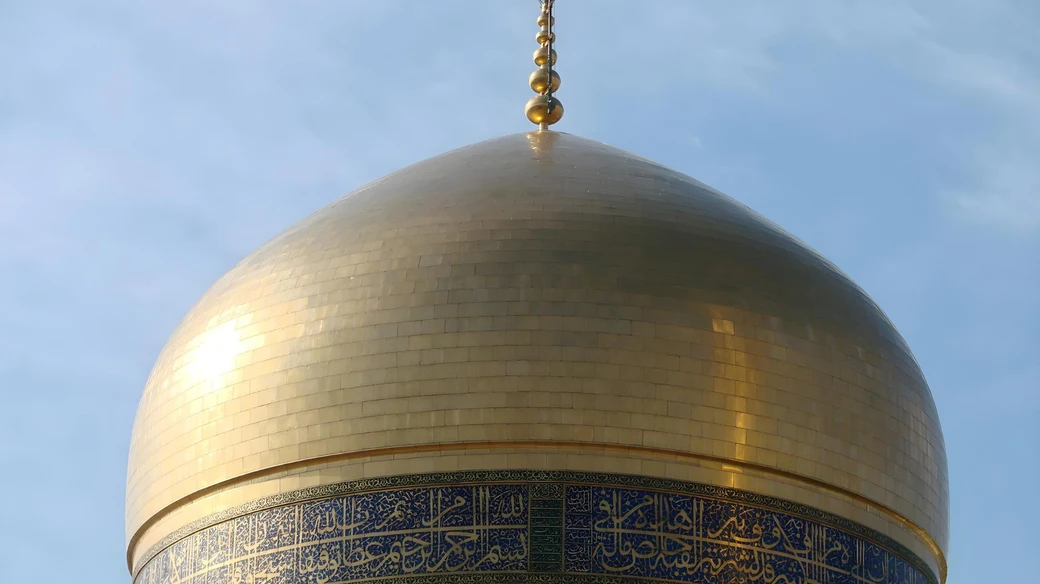
The haram complex is extensive and can be quite daunting for newcomers. To aid visitors, Astan Quds Razavi, the charitable foundation managing the shrine, has created a helpful leaflet available in Farsi, Arabic, and English, complete with a map of the shrine and surrounding areas. These leaflets are freely available at the ‘pilgrim guide’ kiosks scattered around the haram. (An English copy of the map can be viewed here). Despite the sheer number of pilgrims and the congestion near the tomb, it is often possible to find a tranquil spot to sit, reflect, and worship within the numerous courtyards, porticos, and halls of the haram.
The haram complex also hosts the tombs of other venerated figures such as Shaykh Bahai, Shaykh Tabarsi, and Shaykh al-Hurr al-Amili. Additionally, it houses three notable museums:
- Qurʾan Museum, which contains precious and antique copies of the Holy Qurʾan, with some attributed to the Imams.
- Astan Quds Razavi Central Museum, showcasing rare and valuable artefacts, manuscripts, and coins.
- Carpet Museum, featuring a collection of over 650 handmade carpets and rugs from the Safavid period to the present day, making it the largest carpet museum in the Middle East.
Khwaja Aba Salt Shrine
Khwaja Aba Salt was a close companion of Imam al-Ridha (a) and a narrator of hadith. This shrine is one of three places attributed to be his grave (the others being in Qum and Semnan). Some mystics, such as Darvish Ali, are also buried here.
Raza Bazaar
The famous ‘Raza Bazaar’ is a long, indoor market located east of the haram complex and is built on two floors with two corridors. The bazaar has a unique charm which draws huge crowds of pilgrims and is a centre for buying souvenirs such as toys, prayer mats, rings and saffron as well as everyday items like clothing and perfume. With over 1700 business units in the bazaar, there is plenty to see; however, many shops stock the same or similar items.
Kuh Sangi Park
Kuh Sangi, literally ‘stony mountain’, is the second largest park in Mashhad after Mellat Park. It is a beautiful, scenic area which has a lake and a small mountain which can be climbed easily via the stairs. It takes approximately 15 mins to reach the top where one can enjoy the views of the city. This park is a very popular destination and can get pretty crowded, especially at night. In addition to appreciating the nature of the park, there are activities for children such as an amusement park and pony rides.
Wakil Abaad Forest Park
Located approximately 10km from the haram, Wakil Abaad Forest Park is a large wooded area which has numerous pathways and beautiful streams to enjoy. The complex also includes a good sized zoo and amusement park.
Neyshabur
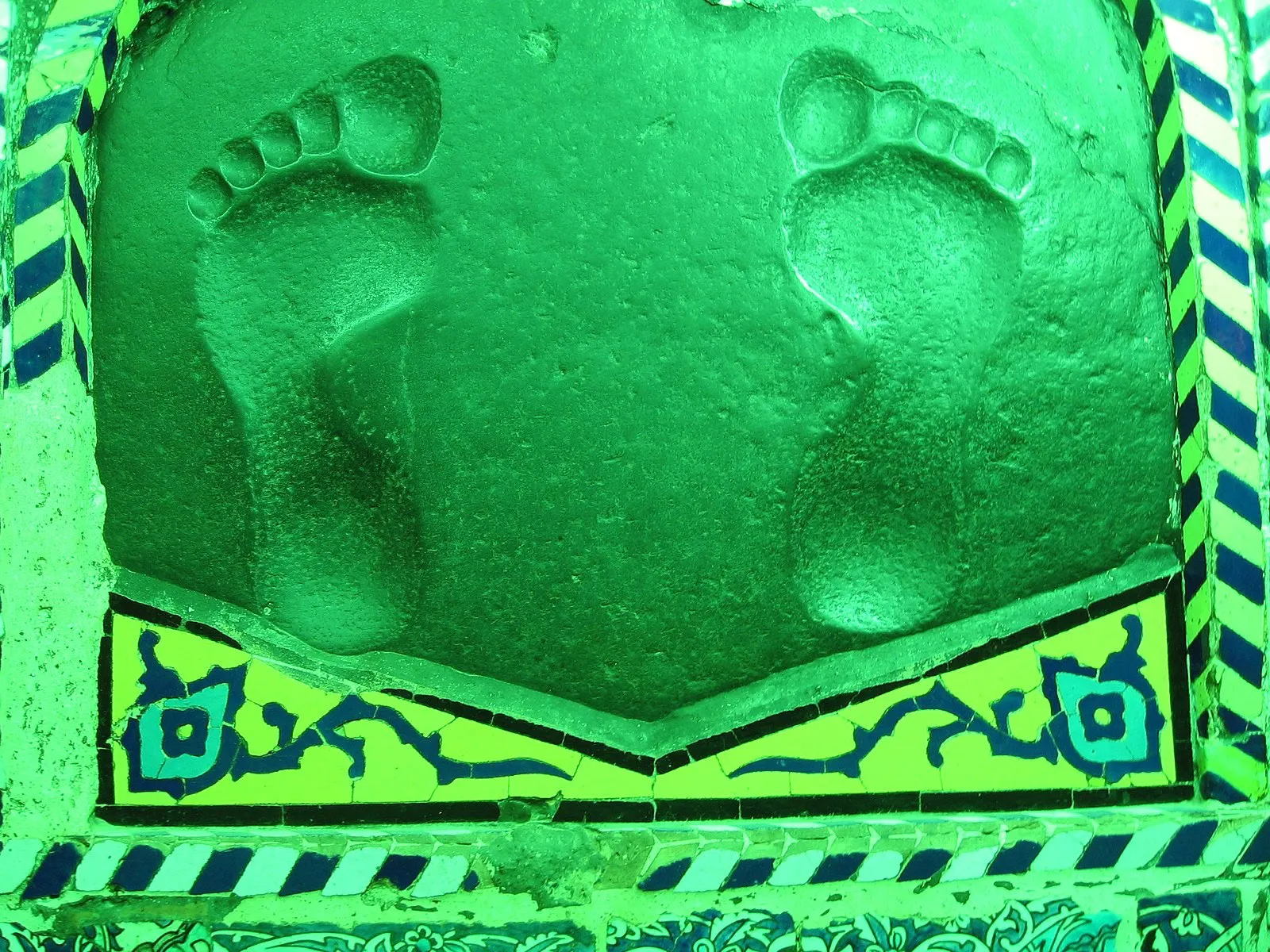
Neyshabur is a city about a two hour drive away from Mashhad. About 20km outside of Neyshabur is the ‘Qadam Gha’, where it is reported that Imam al-Ridha (a) narrated the famous hadith with the ‘golden chain’. There is also a water spring believed to have appeared at the will of the Imam (as) and a stone inside the building with two footprints visible, again, said to belong to Imam al-Ridha (a).
Tehran
Behesht Zahra
Behesht Zahra — The Paradise of Zahra (a) — is the largest cemetery in Iran and is famously known to house many martyrs of the Islamic Revolution. It is also the site where Imam Khumayni (ra) chose to deliver his first speech to the public upon his return to Iran in February 1979 following his 14-year exile.
Mausoleum of Imam Khumayni (ra)
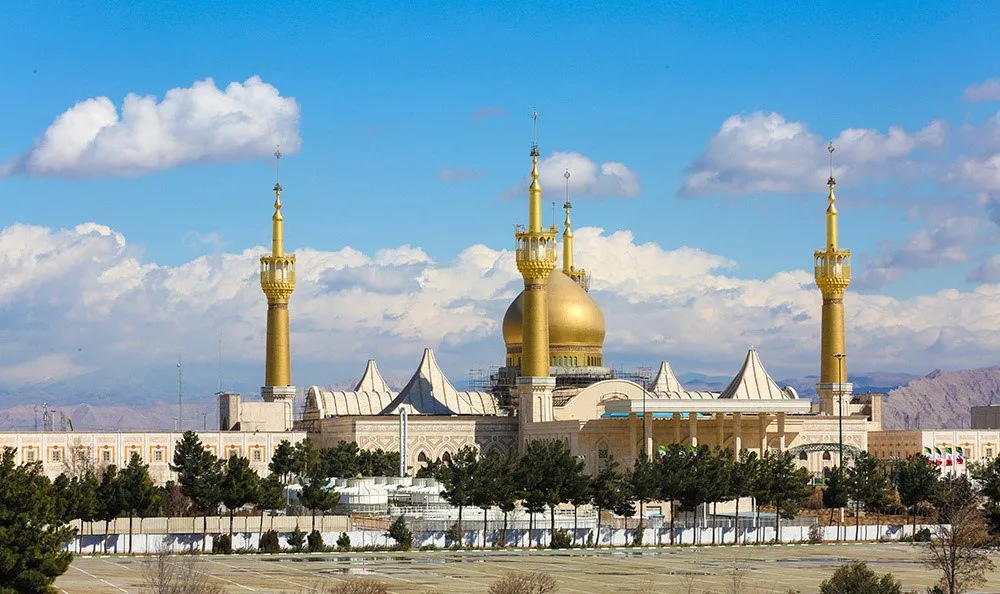
Within the Behesht-e Zahra cemetery complex lies the impressive mausoleum of Imam Khumayni (ra). The tombs of his wife, Khadijeh Saqafi, his second son, Ahmad Khomeini and other known figures are also housed in this mausoleum.
Shah Abd al-Azim Shrine
Located in the city of Rey, adjacent to Tehran, lies the tomb of Abd al-Azim al-Hasani (Shah Abd al-Azim) who was not only a fifth generation descendent of the second Imam, Imam Hasan al-Mujtaba (a) but also a companion of the ninth and tenth Imams (a). He was a very pious man in his own right and a transmitter of hadith. It has been reported that visiting the shrine of Shah Abd al-Azim carries the reward of visiting Imam Husayn (a) in Karbala.
The Holy Defence Museum
Officially called the ‘National Museum of the Islamic Revolution and Holy Defence’, this is one of the largest museums in Iran, and is dedicated to the preservation of the memory of the eight year Iran-Iraq war (commonly referred to as the Holy Defence). The museum consists of eight sections displaying different aspects of the struggle and the long-lasting impacts of the war through monitors, projectors and holograms. A guide normally accompanies groups to give further explanations about the different exhibitions. The museum includes a 360° degree circular cinema showing films about the Holy Defence in the spectacular 40-meter diameter dome building. There is also a 5D cinema in the main museum.
Ebrat Museum
The SAVAK or ‘Organization of Intelligence and National Security’ was the name of the Shah’s secret police. This building was their prison in which they illegally detained and brutally tortured hundreds of people. Converted to a museum, it now stands a reminder of the atrocities that took place under the Shah through vivid visual displays, films and first hand experiences. A tour guide accompanies the visitors and explains the history of the site and some of the horrific details of the prison. As expected, due to the sensitive nature of the Ebrat Museum, there is an age limit for entry so children are unable to visit.
Other Attractions
Tehran is a huge city with many attractions and places to visit, catering to various interests and preferences whether it be to explore the culture, learn about Iranian history, heritage & architecture or simply to enjoy nature’s beauty. While it is impossible to encompass everything within the scope of this book, in addition to the aforementioned recommendations, the following are popular destinations worth exploring:
Tochal Mountain
The highest summit of the Alborz mountain range with a ski resort, cable cars and restaurants.
Eram Park & Zoo
The largest park in Iran containing a zoo with over 800 animals, an amusement park and a large artificial lake suitable for boat rides.
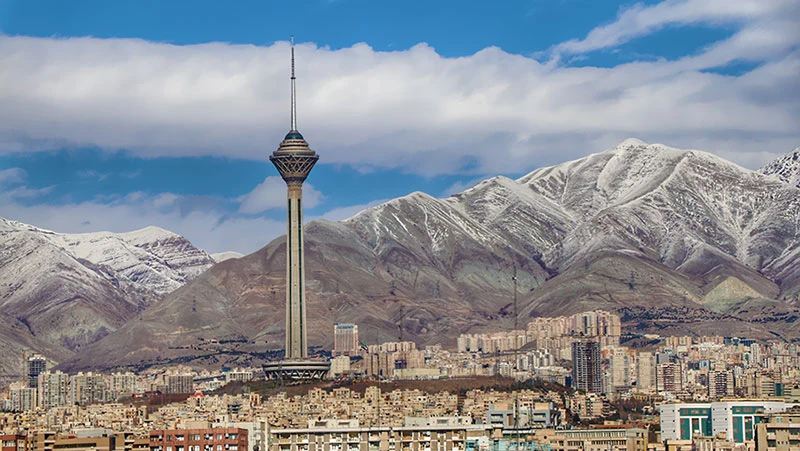
Milad Tower
A multi-purpose telecommunication tower — the tallest building in Tehran, which has an observation deck at the top for visitors to admire the views of the city and capture scenic photographs.
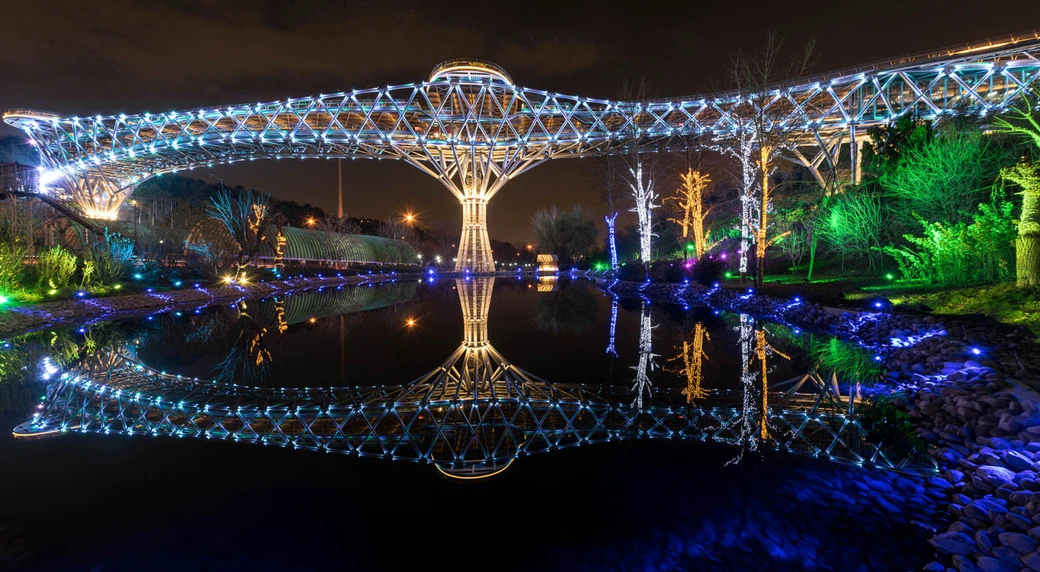
Tabiat Bridge
The largest pedestrian overpass in Iran connecting two public parks containing a restaurant and café in addition to multiple seating facilities along the bridge.
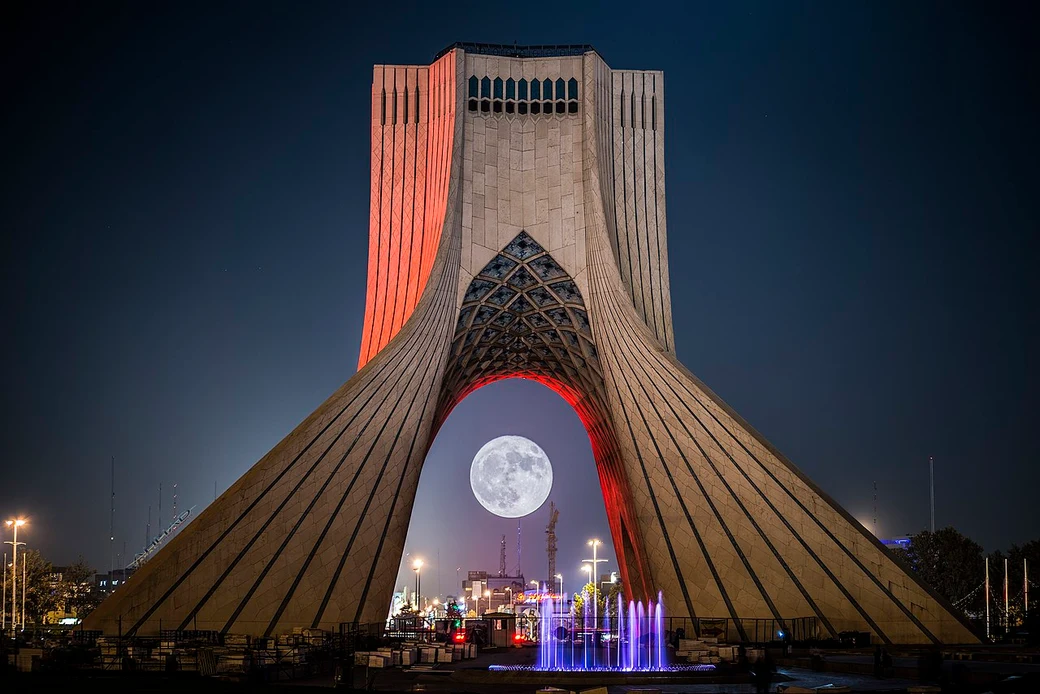
Azadi Tower
Tehran’s iconic landmark, an impressive monument built in 1971 with a museum and galleries in the basement.
Jamaran
The village in Tehran where Imam Khumayni’s house is located. Adjacent to the simple house is the mosque where he used to deliver his speeches.
Kashan
Abbasi House
Kashan is renowned for it’s magnificent architecture and spacious houses. Unlike the present day, houses often used to be built with several courtyards, numerous chambers and even pool rooms. The Abbasi house is one example of a traditional mansion of a wealthy merchant during the 18th century, beautifully decorated with stained glass windows and elaborate mirrorwork on the ceilings. Other such houses worth visiting in the area include the Borujerdi house and the Tabataba’i house.
Underground City of Nushabad
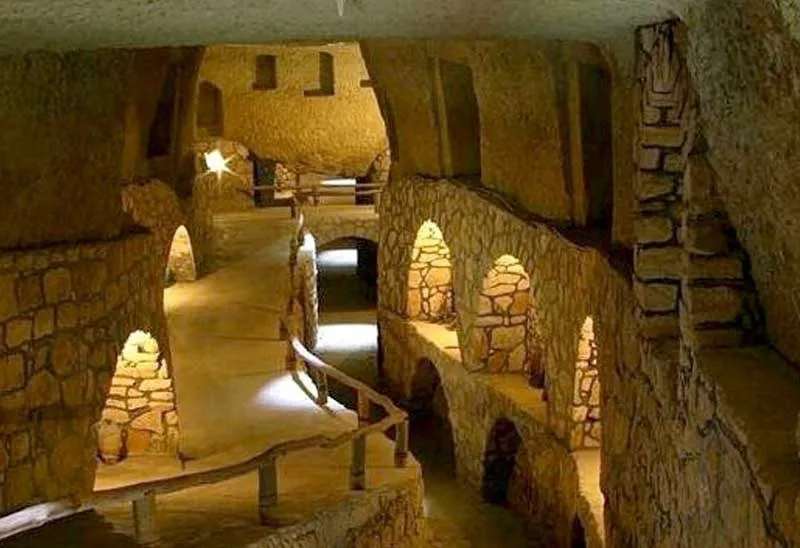
Another fantastic display of historical architecture is found in the underground city of Nushabad, located about 5km north of Kashan. Constructed over 1500 years ago, it was designed to shelter inhabitants from both the harsh weather conditions and from foreign invasions. It is made up of at least three storeys with winding tunnels, stairs, hidden chambers, traps to fool enemies and even a well thought-out air circulation and cooling system.
Niasar Waterfall
Kashan also has some natural scenery to admire such as the Niasar waterfall, a 25-meter high spring-fed waterfall with a park at the top. There is a path from the top of the waterfall leading all the way to the bottom which in itself is also an exciting walk. The plunge pool (base of the waterfall) is fairly small and can get very crowded during peak times.
Mashhad Ardehal
Mashhad Ardehal is a small city approximately 50km west of Kashan which contains the mausoleum of Sultan Ali, the son of the fifth Imam, Imam Muhammad Baqir (a). History narrates that Sultan Ali was sent to Iran by his father to propagate the true Islam. He settled in Ardehal for three years where he became very popular, managed to guide many people and attracted many followers. The Ummayad ruler at the time grew increasingly concerned about Sultan Ali’s effectiveness and in order to eradicate any threat, dispatched an army to kill him. A brave battle was fought, but eventually, the army defeated and killed Sultan Ali and a hundred of his companions. Due to the resemblance between Sultan Ali’s martyrdom and that of his holy grandfather, Imam Husayn (a), Mashhad Ardehal is famously referred to as the ‘Karbala of Iran’.
Isfahan
Naqsh-e Jahan Square
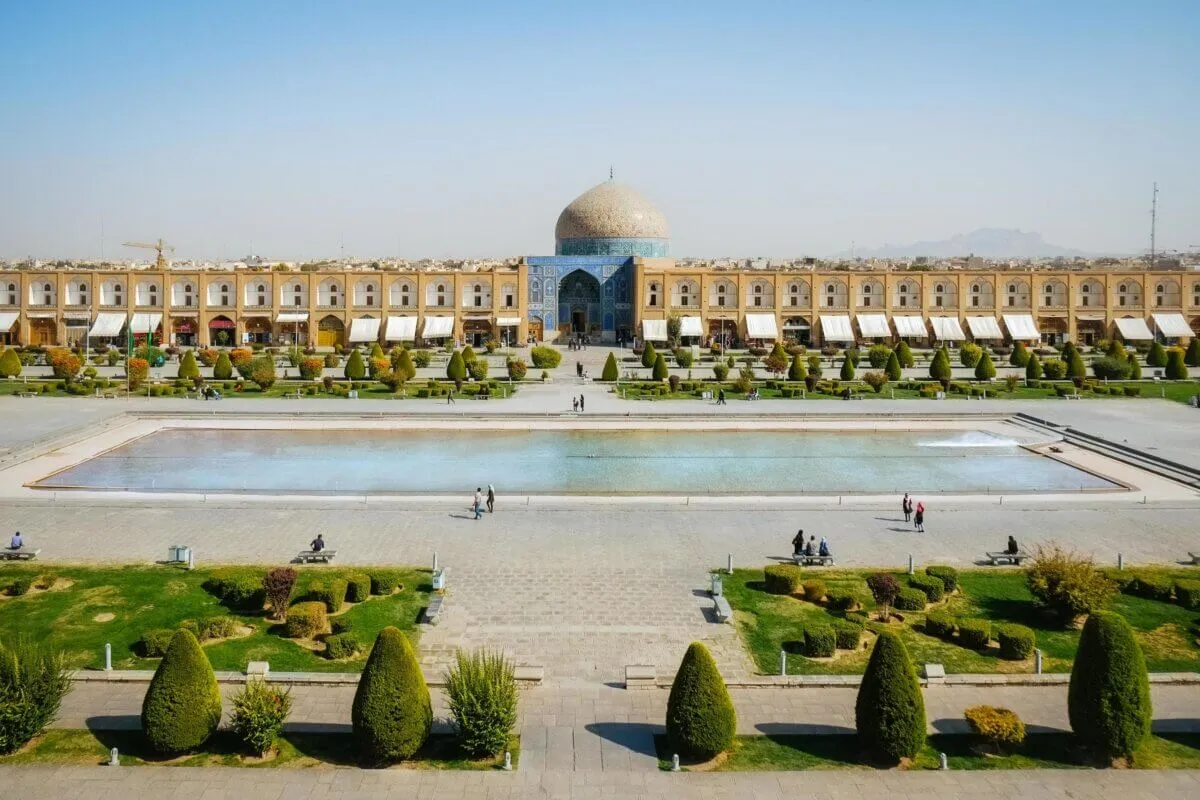
A UNESCO World Heritage site, Naqsh-e Jahan Square is a grand public space in the centre of Isfahaan built in the 17th century. It is a popular tourist destination and is surrounded by architectural wonders, including the Abbasi Jam’i Mosque, Sheikh Lutfullah Mosque, Ali Qapu Palace, and Qeysariyyeh Bazaar.
Chehel Sutoon Palace
Another historic symbol of Iran’s rich cultural and architectural heritage is the Chehel Sutoon Palace, or ‘the Palace of Forty Columns’, built during the Safavid dynasty. The palace’s name originates from the twenty slender wooden columns reflected in the adjacent pool, creating an illusion of forty columns. Much of the interior decorations showcase Iranian art and design, some of which depict selected historical events during different periods of time.
Abbasi Jami Mosque
Also known as the Imam mosque, the Abbasi Jami mosque is a beautiful display of Iranian craftmanship during the Safavid period in the early 17th century.
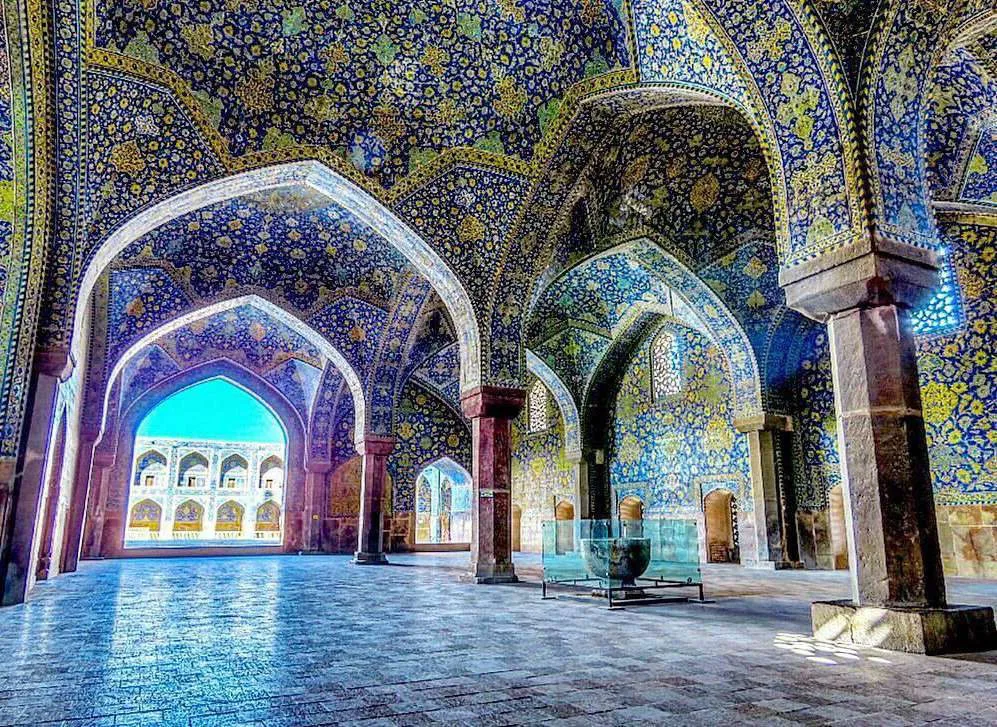
This mosque is renowned for its stunning turquoise and blue tile mosaics creating various geometrical and floral patterns, and the grand dome adorned with intricate muqarnas (honeycomb vaulting). Not only is it a work of beauty, but is also a marvel of acoustic engineering as the vast dome focuses the sound waves bouncing between the floor and the ceiling, forcing the waves to keep moving back and forth in a regimented fashion and thereby causing multiple echoes. This ensures that anyone speaking under the dome will be clearly heard by those inside.
Qeysariyyeh Bazaar
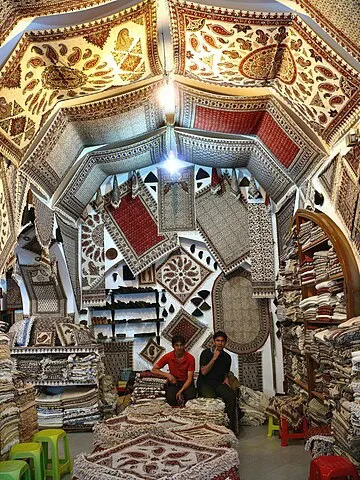
If looking for souvenirs, one should go no further than the Qeysarriyeh bazaar, considered to be one of the oldest and largest covered markets in the Middle East. The labyrinth of alleys are lined with shops that offer a wide array of traditional goods, from spices, carpets, and handicrafts to fabrics and clothing. Many workshops are also located in the bazaar allowing visitors to see first-hand how ornaments and other intricate handicrafts are made. When making purchases, it is important to bear in mind that Isfahan serves as a tourist destination, and thus, vendors are inclined to maximize their profits, particularly from foreigners. Engaging in price negotiations is very common in Iran, and individuals should not hesitate to bargain when buying souvenirs or other goods.
Khaju Bridge
Yet another example of historical Iranian architecture in Isfahan, is the Khaju bridge, connecting the two sides of the city over the Zayandeh River. It features 21 arches and includes a pavilion in the middle, providing a peaceful spot for visitors to enjoy the scenic views of the river and the surrounding gardens.
Shiraz
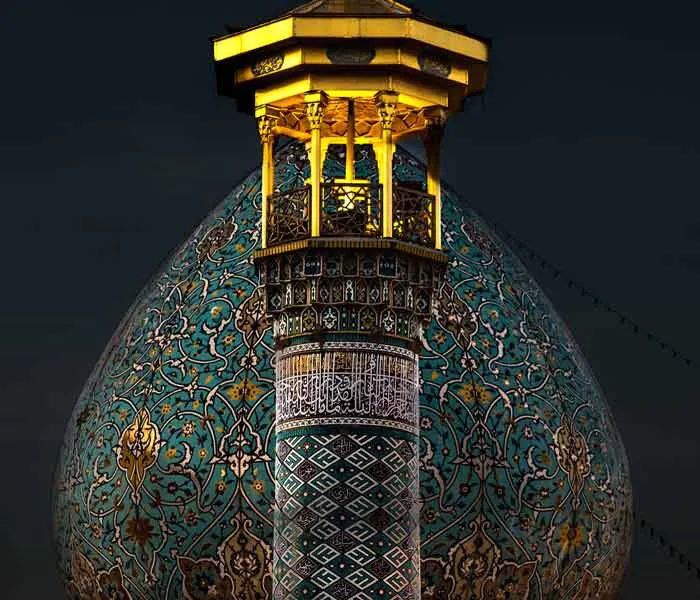
Shah Cheragh Shrine
One of the most famous shrines in Iran after that of Imam al-Ridha (a) and Lady Masumah (s) is the shrine of Ahmad — known as Shah Cheragh — the son of Imam Musa al-Kadhim (a) and brother of Imam al-Ridha (a). Ahmad ibn Musa al-Kadhim was born in Medina, and according to Shaykh al-Mufid, he was a pious, noble individual who was much loved by his father. It has been reported that during the caliphate of the Abbasid ruler, Mamun, he travelled to Khorasan (modern day Iran) to visit his brother, Imam al-Ridha (a), but after hearing of his martyrdom, sought refuge in Shiraz until he too was eventually martyred by Mamun.
Tomb of Hafez
Shiraz is known as the city of poets due to its literary heritage and for housing the tombs of some of the most famous Iranian poets in history. Hafez, whose full name was Khwaja Shams-ud-Din Muhammad Hafez Shirazi, is regarded as one of the greatest classical Iranian poets. His poetry often reflect deep philosophical and mystical ideas, and has been translated into many languages. Hafez’s verses are celebrated and recited in Iran and around the world, and have influenced the works of numerous poets and writers till today.
Tomb of Saadi
Another renowned and eloquent Iranian poet from the 13th century, Saadi is considered to be a master in the classical literary tradition. He travelled extensively throughout the Middle East, Central Asia, and South Asia after undertaking studies in Baghdad in the fields of Islamic law, history and Arabic literature. Saadi’s most famous works include ‘Bustan’, which explores themes of love, morality, and social justice, and ‘Gulistan’, a collection of moral stories and allegories that conveys lessons of ethics and wisdom.
Persepolis
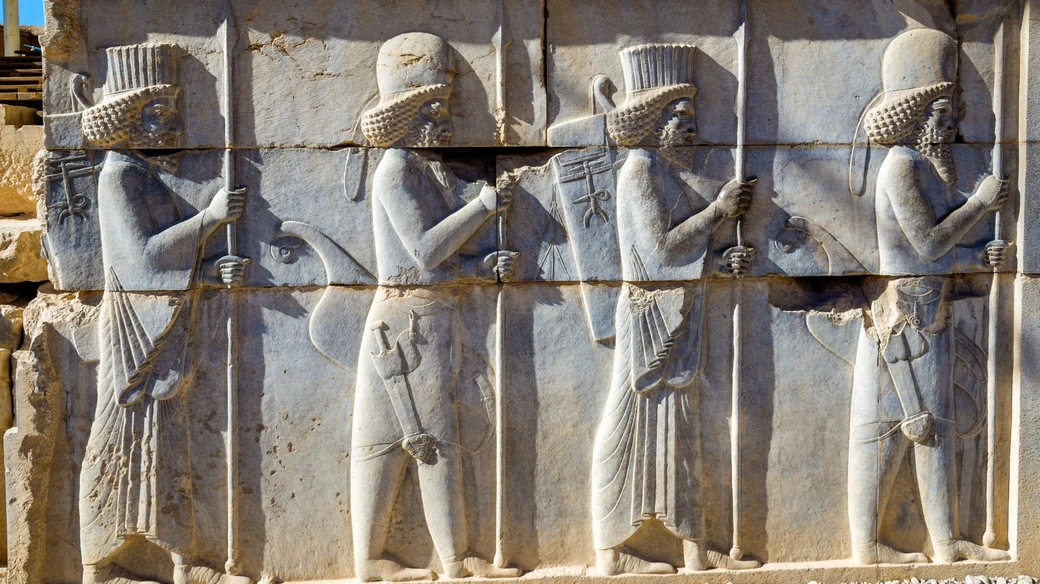
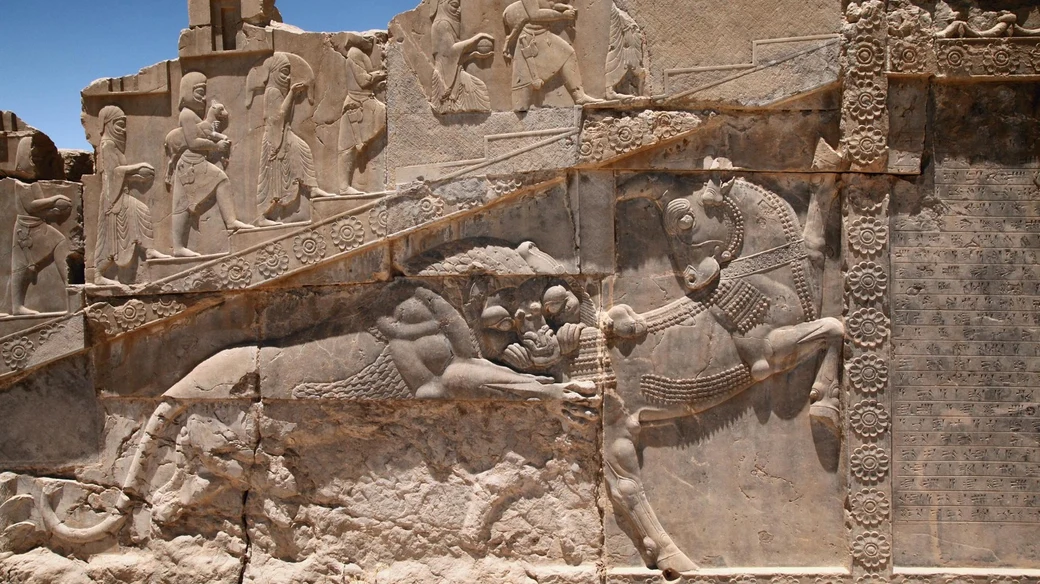
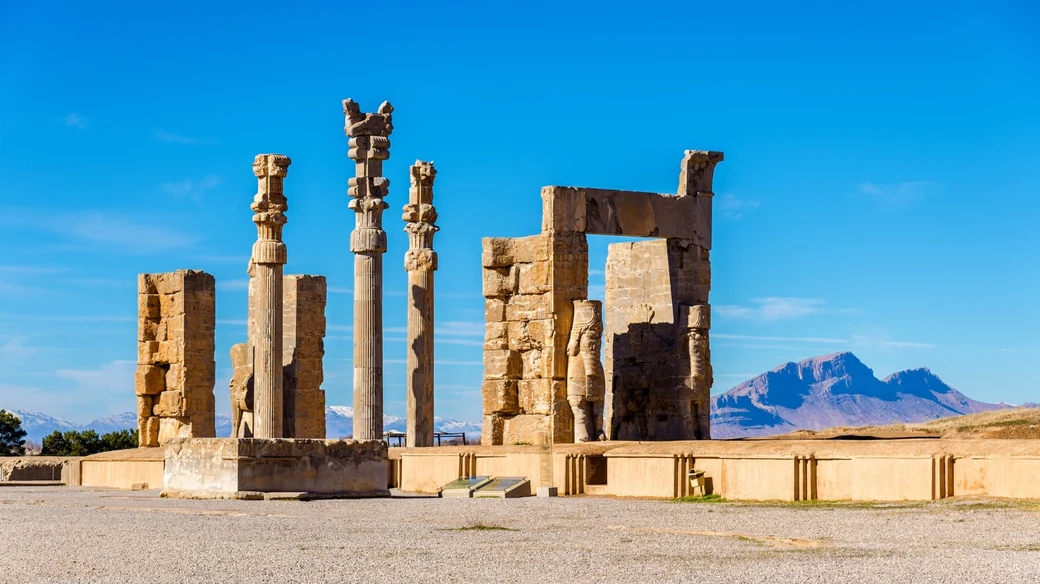
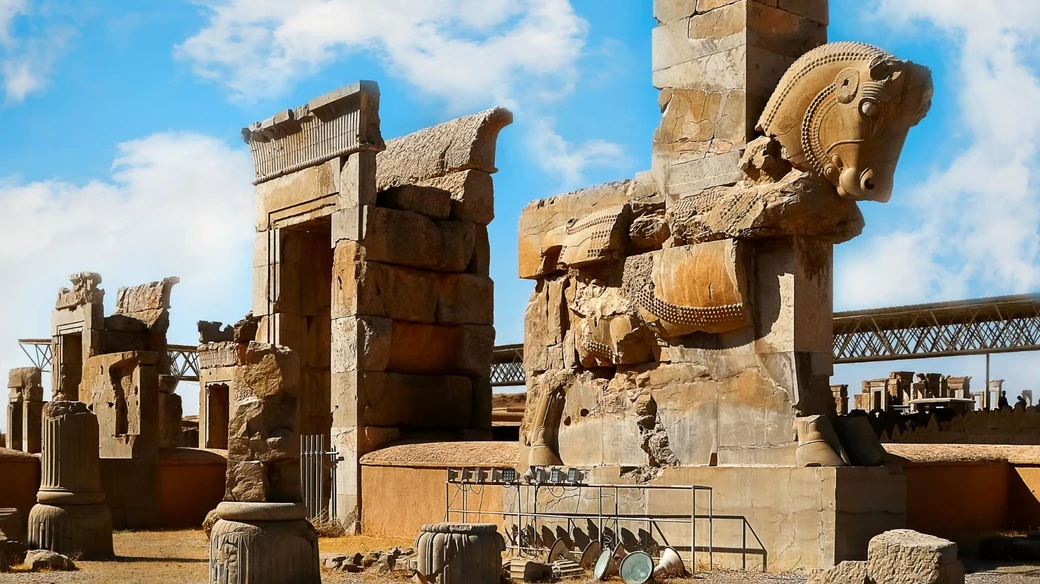
Persepolis, located approximately 60km from Shiraz, is an ancient city that served as the ceremonial capital of the Achaemenid Empire during the 6th century BC. Nestled in the foothills of the Zagros Mountains, Persepolis holds immense historical significance, showcasing the grandeur and power of the ancient Persian civilization. The ruins of Persepolis consist of impressive stone structures and intricately carved reliefs that depict scenes from ancient Persian life, battles, and religious ceremonies. Visitors can explore notable features such as the Gate of All Nations, Apadana Palace, and the Hall of Hundred Columns. These UNESCO World Heritage sites provide a captivating insight into one of the greatest civilizations in ancient history.
Comments & Suggestions
Have something useful to add? Share your experience, recommendations or updates with other students in Qum. This could be a change to the information above, a useful tip, a service or place you recommend, or anything else that may help others. Comments are reviewed before they are published. Please see our comment policy for what can be published and how to request the removal of a contribution.
Loading contributions…