Furniture
One of the distinctive features of traditional Middle Eastern retail is the clustering of similar shops within a specific area, a practice that remains prevalent today. Historically, Middle Eastern markets have been organised by trade or craft, with different sections or streets dedicated to specific goods such as textiles, spices, jewellery, or carpets. This system benefits both customers and vendors. For customers, grouping similar shops together facilitates easy comparison of prices and quality. For vendors, proximity to other specialists in their trade creates a hub of expertise that attracts customers seeking specific items and also fosters a competitive and knowledgeable market environment.
Kalhori Street is a lengthy road renowned for its extensive range of furniture stores, including sofas, beds, dining tables, and office furniture. The street is lined with independent businesses and suppliers from larger companies, providing a diverse selection of items. Many shops offer both ready-to-purchase stock items and customisable options, allowing customers to tailor their furniture to specific preferences in terms of colour, fabric/material, and size. Once an order is placed, the furniture is crafted and delivered upon completion. It is important to provide clear instructions when buying custom-made furniture and agree on timelines and prices to avoid any misunderstandings.
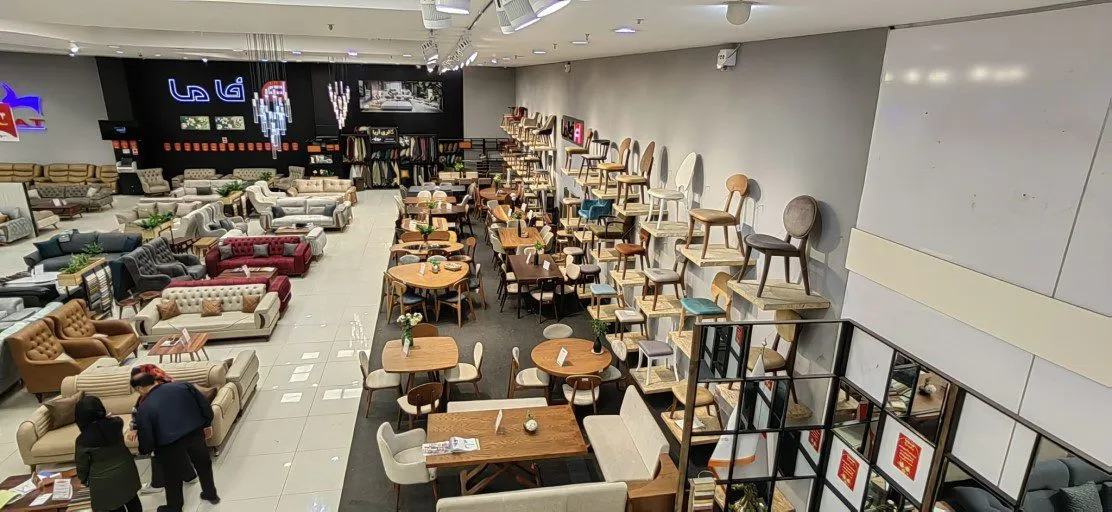
Another such road specialising in furniture (particularly sofas) is Kasegeran. Bolej is an online furniture store that has been recommended by students for its reliability and high-quality furniture. It offers a wide range of well-designed products and also offers free delivery with purchases over a certain value.
Electrical Appliances
Keyvanfar Boulevard is one of the go-to destinations for electronics and household appliances in Qum. This bustling street is lined with stores offering a wide range of appliances, including refrigerators, washing machines, ovens, and smaller electronic items. Unlike other markets in Iran, the electrical and digital markets here feature greater representation of foreign brands, such as Samsung, Bosch, LG, and Daewoo. However, these brands tend to be more expensive than their Iranian counterparts and are also pricier than similar products in Western countries. Notable Iranian brands include Snowa, Pakshoma, G Plus, Electrosteel, Pars Khazar and X-Vision, which offer quality alternatives at more competitive prices.
Unfortunately, the market for electrical appliances in Qum, like many other places, has seen an influx of counterfeit products that mimic well-known brands but lack the quality and durability of genuine items. Additionally, there are numerous smuggled products on the market, which customers may unknowingly purchase, automatically invalidating any warranty. To combat this issue, relevant organisations have mandated that importers and manufacturers affix authenticity labels or identifiers on their products. Various protocols have been established for different product groups to help consumers verify the authenticity of their purchased items. For example, the Food and Drug Administration requires all manufacturers and importers of health-related products, such as food, pharmaceuticals, and cosmetics, to affix a yellow authenticity label. Similarly, manufacturers and sellers of household appliances must register their products and obtain a product authenticity identifier, which is affixed to the appliance.
Customers can verify the authenticity of their appliance by dialling *4*7777#
from a mobile phone and following the instructions. The product’s Global Trade
Item Number (GTIN), printed under the barcode, will be required to complete the
verification process.
Like electrical appliances sold in other parts of the world, those available in Qum typically come with a manufacturers warranty. The exact details and warranty periods vary based on the product and manufacturer. However, unlike in many other countries, most appliances must be installed by an official manufacturer’s representative or technician in order to maintain the warranty. This requirement even applies to appliances that are straightforward and simple to install, such as plugging in a TV or microwave. Self-installation would invalidate the warranty and any manufacturer services. To avoid this, customers should strictly follow the installation instructions provided by the retailer or manufacturer. This usually involves contacting the manufacturing company to arrange a visit by a technician, who will install the product and sign the warranty card, thereby validating the guarantee and authorising any future manufacturer support.
Kitchenware
Kitchenware such as plates, cutlery, pots, pans, and other home essentials can be purchased from various local shops in Qum. In particular, Bazar Buzurg and Saraye Irani offer a wide selection of these items. Another notable store is the Home Goods Store, located on Jumhuri Boulevard. This large and organised shop spans two floors and sells almost everything needed for a kitchen at reasonable prices.
Despite the availability of kitchenware in Qum, some students and families opt to bring better-quality items from their home countries. This can often be more cost-effective and ensure longer-lasting products so it’s an option worth considering for those planning to move to Qum.
Carpets
When Western audiences think of carpets, they typically envision soft, comfortable, wall-to-wall floor coverings. However, in Iran, the term ‘carpet’ encompasses two distinct categories: Persian rugs (farsh) and wall-to-wall fitted carpet (moket).
Persian rugs are integral to Iranian culture and craftsmanship, serving as both functional household items and works of art. These rugs are highly sought after, both domestically and internationally, for their intricate designs, superior materials, and the skilled labour involved in their creation, making them valuable investments. Qum offers an extensive selection of carpets, with prices varying based on size, patterns, colour schemes, materials, knotting density, and manufacturing type.
Buyers can find Persian rugs in traditional bazaars and specialised carpet shops throughout the city. Teemche, a part of Bazaar Buzurg, is a traditional Persian rug market where new and used carpets are available. Sellers in these bazaars often have extensive knowledge about the history and quality of the carpets, providing valuable insights into each piece’s origin and craftsmanship.
Modern carpet stores like Talaelo Jamil and Saraye Irani offer a more structured shopping experience, with Persian rugs displayed in well-organised showrooms. Customers can browse collections ranging from affordable machine-made options to luxurious handmade masterpieces. These stores also offer a wide range of pooshtis, traditional Iranian floor cushions or backrests used for seating. These rectangular cushions are typically placed against walls or furniture to provide back support while sitting on the floor, a common practice during social gatherings or dining, and are normally sold in pairs.
Persian rugs are manufactured in three standard sizes: 6m² (2m×3m), 9m² (2.5m×3.5m) and 12m² (3m×4m).
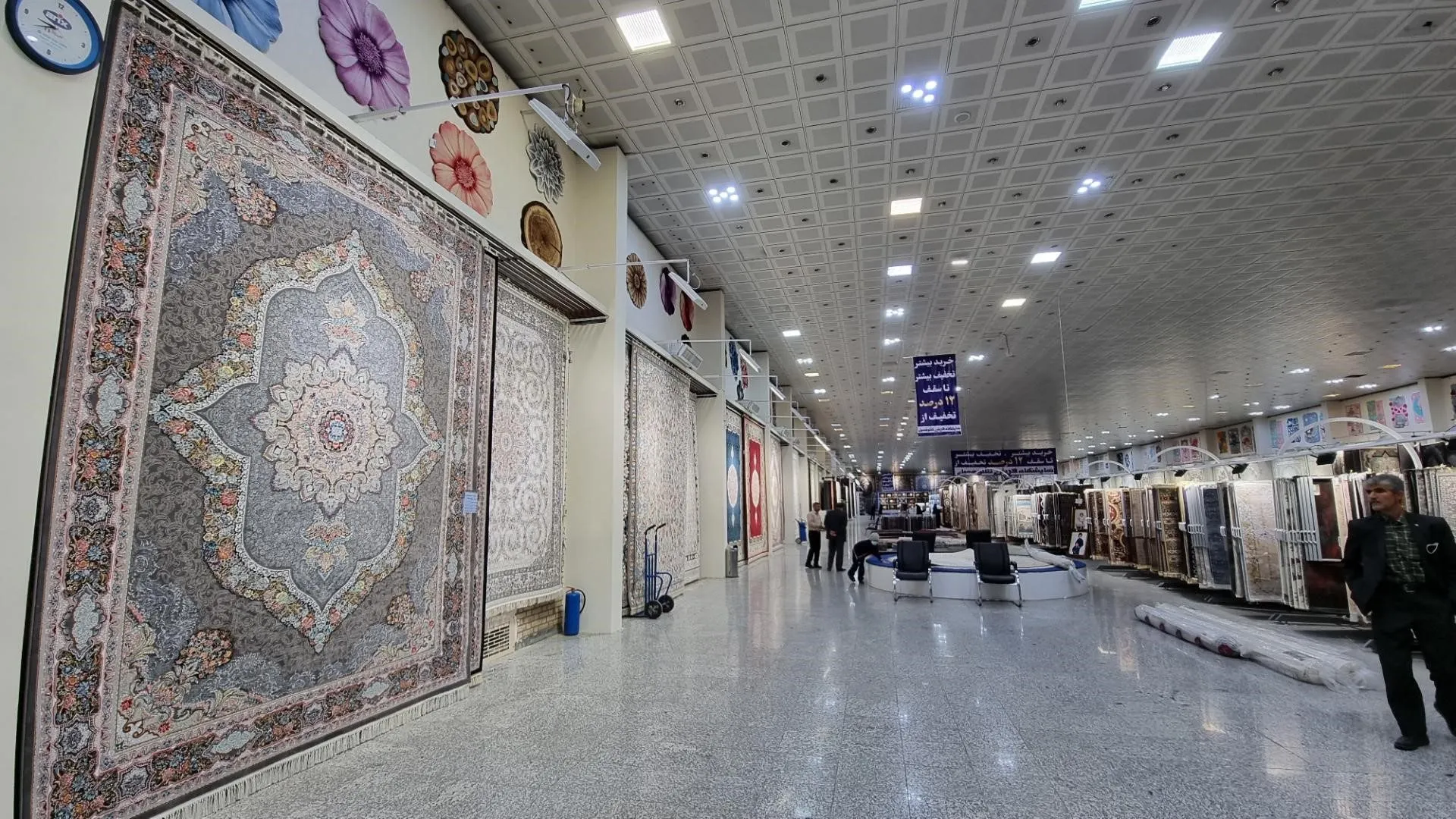
Moket refers to wall-to-wall floor coverings, similar to what Westerners typically call carpets. These come in various colours and thicknesses. Thicker moket serves as a standalone carpet, while the thinner variety is often placed under Persian rugs to prevent slipping. The best places to buy moket are local carpet shops or larger stores like those mentioned above, where they are usually displayed in rolls and can be purchased immediately. Although moket is much cheaper than Persian rugs, it does not hold the same resale value or versatility when moving homes but may be better for awkward room sizes.
Curtains
Besides regulating light and temperature within the home, curtains are a key element in Iranian interior design, chosen with great care to complement the overall decor of a room. Many Iranian homes feature elaborate and beautifully designed curtains, often made from luxurious fabrics such as silk or velvet, and adorned with intricate patterns and embroidery. These curtains are not only decorative but also signify the homeowner’s taste and social status. This context explains why curtain shops display their products so prominently. For most students, however, these luxurious styles and extravagances are unnecessary, so it’s important to focus on what is required without being distracted by these options.
For curtain shopping, Raeis Karami Street (20 Metri Zaad) has a concentration of around 10–15 curtain shops. Bazar Buzurg is also a popular destination, featuring numerous curtain sellers and specialist tailors who often provide more affordable options. Ready-made curtains are not common, so it is essential to bring measurements of one’s windows and ceiling height to get accurate quotes and compare prices.
Comments & Suggestions
Have something useful to add? Share your experience, recommendations or updates with other students in Qum. This could be a change to the information above, a useful tip, a service or place you recommend, or anything else that may help others. Comments are reviewed before they are published. Please see our comment policy for what can be published and how to request the removal of a contribution.
Loading contributions…