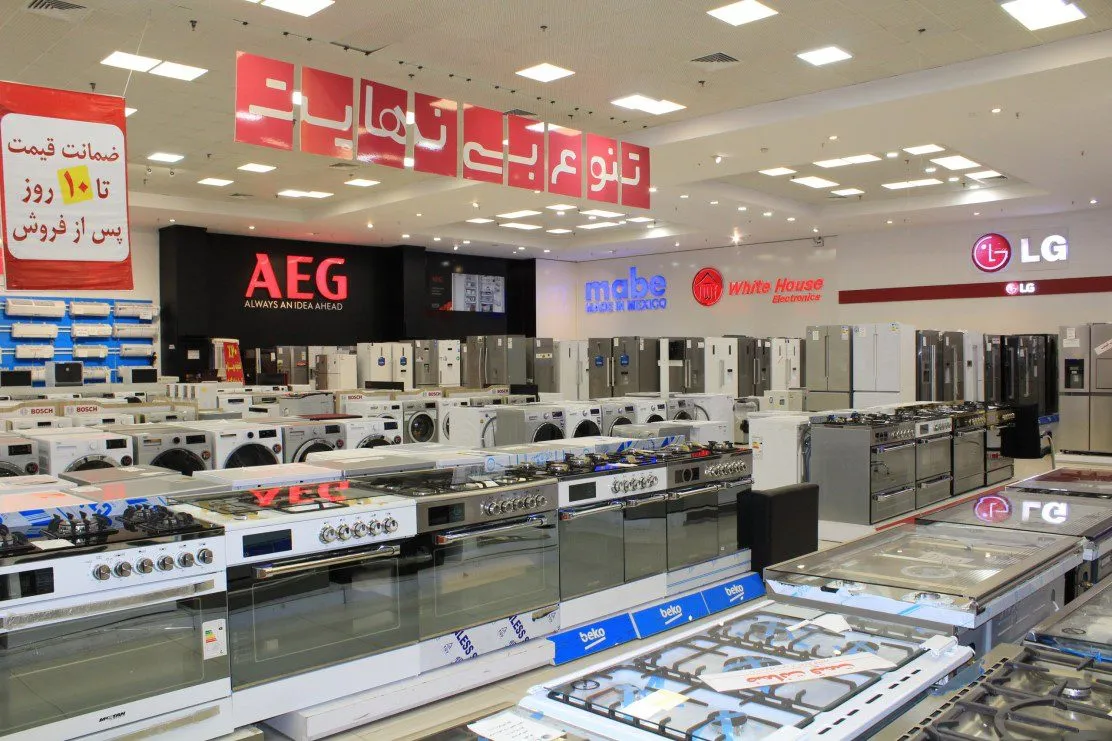
Despite Iran’s rich history and traditions, the country has been significantly influenced by Western culture and modernity, particularly in terms of consumerism and convenience. This influence is evident in many of the shopping centres, which often mimic Western malls in their structure, design, and environment. These malls typically feature enclosed, climate-controlled structures, escalators, and large parking areas with standardised layouts that include wide, clean walkways and clearly demarcated store spaces. They also have services such as washrooms, ATMs, and other amenities, focusing on the overall ‘retail experience’. Although many malls in Qum do not entirely fit this description, there is a noticeable trend towards this ‘ideal’, particularly in Tehran and some newly built malls in Qum such as Bazar Shahr Mall. Some useful shopping centres in Qum include:
Saraye Irani
Saraye Irani, established in 2015, is a massive store that specialises in a wide array of home furnishings and essentials. It has become a popular destination for those looking to furnish their homes quickly, without the need to shop at multiple locations. The store offers an extensive selection of furniture, carpets, household appliances, bedding, digital goods, and more, all at competitive prices and under one roof. Additionally, Saraye Irani provides the added convenience of free delivery.
Musa ibn Jafar Shopping Centre
The Musa ibn Jafar Shopping Centre is conveniently located a short walking distance from the shrine of Lady Masumah (a). Being one of the older shopping centres in Qum, it has gained a reputation as a popular shopping destination and is considered one of Qum’s tourist attractions. The centre has a diverse array of shops and services, catering to a variety of needs from clothing and electronics to fabrics and personal accessories. A number of tailors are located on the second and third floors who can create custom-made garments, make alterations or repair damaged clothes at reasonable prices.
Al-Ghadir Commercial Centre
The Al-Ghadir Commercial Centre is one of the largest shopping centres in Qum, spanning five stories. This extensive complex features a variety of shops, including numerous gold and silver stores specialising in rings and Islamic jewellery, as well as a wide array of clothing, bags, and shoe retailers. Many of the jewelers here offer custom handmade rings with stones recommended in Islamic literature, such as aqiq (agate) and firozah (turquoise). At the heart of the mall lies the grave and shrine of Ali ibn Ibrahim al-Qummi, the renowned transmitter of hadith and author of Tafsir al-Qummi, one of the earliest hadith-based commentaries on the Holy Qurʾan.
Passage Zahra
Passage Zahra (Zahra Arcade) is a highly popular destination for electronic devices, SIM cards, mobile phones, and related accessories. This fairly old building spans four floors and houses over 100 active units dedicated to the sale and repair of mobile phones, accessories, and software installation. Close to Passage Zahra is the newly opened Bazar Salam, which provides a similar range of goods and services within a more modern and contemporary setting.
Traditional Bazaars
Contrary to modern malls, traditional Eastern markets (bazaars) are characterised by open-air or semi-covered spaces with narrow, winding alleyways and stalls reflecting local cultural and historical aesthetics. These bazaars typically have concentrations of vendors selling similar goods, such as spices, textiles, jewellery, or handicrafts, with a strong emphasis on local products and traditional items with many shopkeepers themselves designing and producing the items they sell. These markets are common throughout the Middle East and still thrive in Iran where they remain central to the country’s commerce and attract numerous customers and visitors. Unlike malls, which are more standardised and rigid with labelled and fixed prices, these bazaars focus on traditional commerce and personal interaction, where haggling is common and in-fact, quite expected. Some of the most well-known bazaars in Qum include:
Bazaar Buzurg
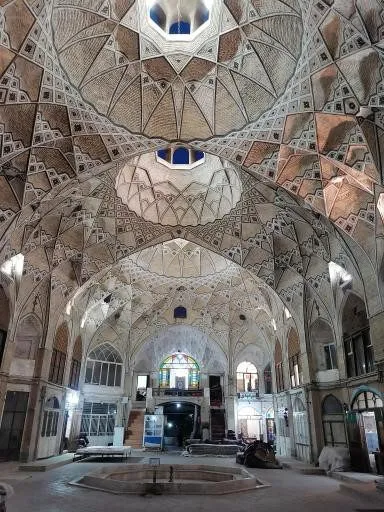
Qum Grand Bazaar is a historical and cultural landmark in Qum, showcasing the city’s rich heritage and traditional commerce. This ancient market has sections which were built and extended during various eras, including the Qajar, Seljuk, Safavid, and Ilkhanid periods. The architecture blends traditional Persian design with practical functionality, featuring intricately carved domed ceilings and semi-covered archways that provide shade and protection. Bazaar Buzurg offers a diverse range of goods, from spices, textiles, and bedding to handicrafts, carpets, and household items, often at more affordable prices than modern shops and outlets. Due to urban development around the bazaar, a number of malls, such as Hujjat Mall, are also connected to this traditional marketplace and can be accessed from there. Additionally, the bazaar houses one of the few remaining traditional public bathhouses in Iran, where men can bathe, socialise, drink tea, and receive massages, preserving a unique aspect of Iranian culture.
Bazaar Qadeem
The Old Bazaar of Qum, called Bazaar Qadeem or Bazaar Kohneh, is one of the major traditional markets in Iran and a historical and tourist attraction. This market, with over 600 years of history, dates back to the Safavid and Qajar periods, is about one kilometre in length, and houses numerous workshops of traditional crafts such as dyeing, knife making, woodturning, carpentry, blacksmithery and inlay work. It also features shops offering a unique array of traditional and cultural items not easily found elsewhere. The bazaar leads to an open rectangular area known as Kohneh Square surrounded by more shops with a large, bustling fruit and vegetable market in the centre. Recognised as a national cultural heritage site since late 1997, the bazaar offers visitors a glimpse into Iranian tradition and culture. While it may not hold significant retail appeal for foreigners residing here, it remains a worthwhile destination to explore and appreciate the local craftsmanship and heritage.
Weekly Bazaar
Temporary markets, known locally as weekly bazaars (bazaar hafteh) or daily bazaars (bazaar rooz), are held at different locations on different days of the week (excluding Wednesdays). These markets are very popular as they offer a wide array of goods, including fresh, seasonal produce, clothing and household items at lower prices compared to regular shops.
Weekly Bazaar Locations
| Day | Location |
|---|---|
| Saturday | Tehrani Muqaddam Boulevard |
| Sunday | Shahr Qaim, end of 17th Kabiri Street |
| Monday | Jumhuri Islami Boulevard |
| Tuesday | Abu Talib Boulevard (Pardisan); Himat Boulevard (Sorustan Road) |
| Thursday | Ta’awon Boulevard |
| Friday | Javan Park; Zohoor Road (Jamkaran) |
Comments & Suggestions
Have something useful to add? Share your experience, recommendations or updates with other students in Qum. This could be a change to the information above, a useful tip, a service or place you recommend, or anything else that may help others. Comments are reviewed before they are published. Please see our comment policy for what can be published and how to request the removal of a contribution.
Loading contributions…